The DAC chip is a beginning, not the sound.
Multibit, delta-sigma, NOS, oversampling, valve output, op-amp output, power supply and transport behaviour all matter. But the strongest lesson from the archive is implementation before badge, and mastering before format.
Researched and heard as part of Luke’s preference for tone, timing and unforced musical flow.
The Philips CD753 proves how a modest player can become a serious source when the output stage is reconsidered.
Topping D30 becomes a platform for power-supply and op-amp work.
A development DAC intended to combine modern resolution with a 6N16B-V tube stage.
Explored as a future architecture where structure and tube line-stage character might meet.
Conversion is only half the story.
Luke’s most important digital experiments repeatedly move downstream from the DAC itself: current/voltage conversion, analogue filtering, op-amps, valve stages, coupling capacitors, grounding and power.
Can add harmonic body, dimensional flow and a less electronic presentation when implemented well.
Used as a fine voicing tool, with repeated comparisons of transparency, intimacy, body and speed.
The D30 experiment reinforced how lower-noise power can affect grounding, micro-detail and spatial scale.
A great DAC cannot restore dynamics that were removed before playback.
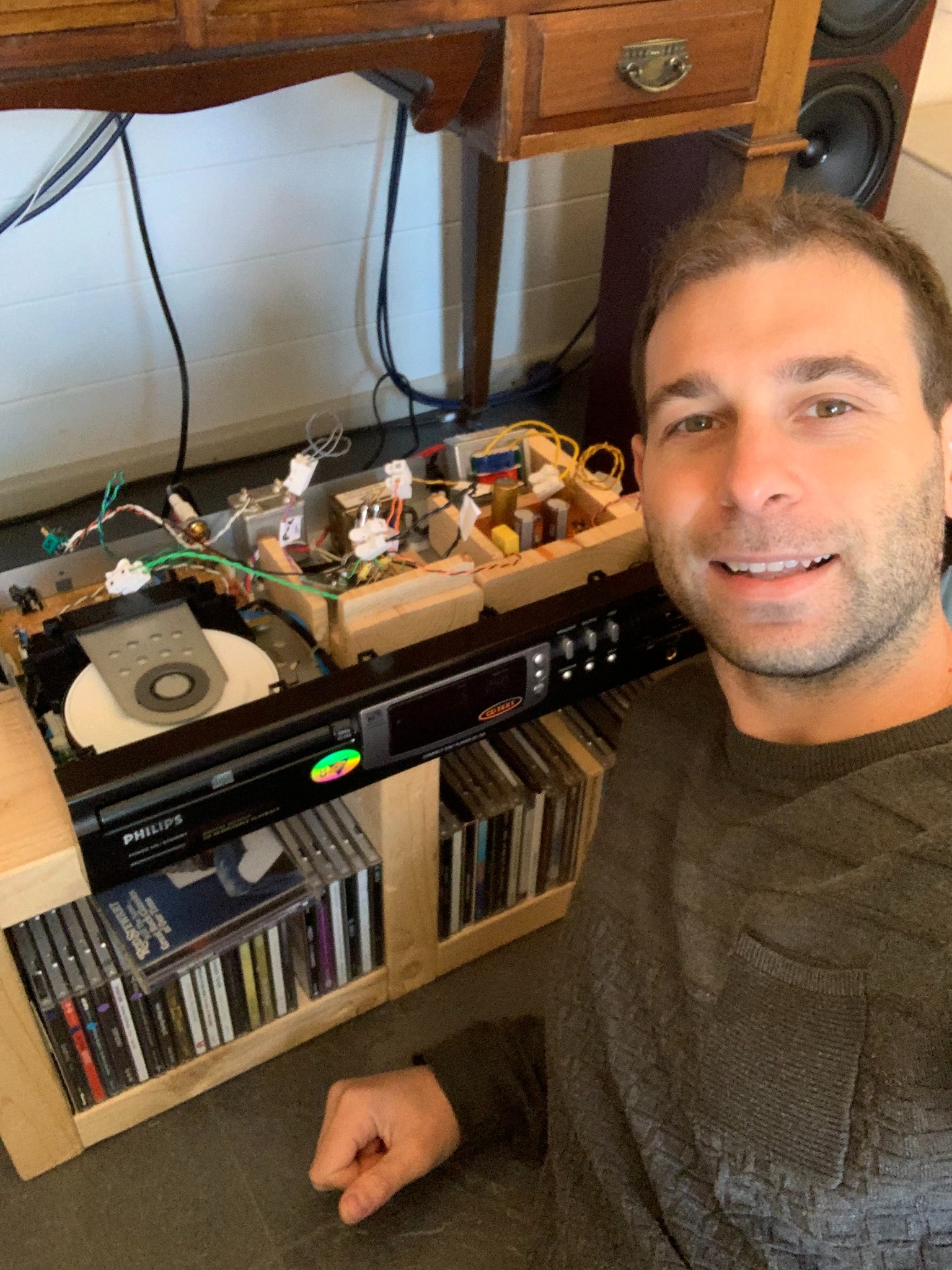
Philips CD753 + TDA1549 + 6N16B-V.
The project is useful because it started with an inexpensive commercial CD player and changed the part of the chain most responsible for how the converted signal reaches the amplifier.
The result became one of Luke’s recurring references for organic, dynamic, truthful digital and a source used to evaluate P17.
Conversion, analogue stage and power are one chain.
DAC architectures
Multibit, bitstream and delta-sigma are treated as different starting conditions, not guaranteed sonic personalities.
Explore DAC architectures →Valves & output stages
Why the 6N16B, Little Dot and tube rolling experiments became about far more than warmth.
Explore valve stages →Power, noise & ground
The electrical conditions under the signal and why they entered the listening hierarchy.
Explore power →Capacitors & coupling
Electrical function first, then careful listening to implementation and voicing.
Explore capacitors →Recording & mastering
Why a better master can matter more than a higher sample rate.
Mastering before format →Completed experiment
The Philips CD753 remains the strongest concrete demonstration of the philosophy.
MikroLampizator build →Built references and future architectures occupy different roles.
TDA1549 + MikroLampizator
The Philips CD753 is the direct proof that the converter does not work alone. The 1988 MELZ 6N16B-V SRPP output and later Little Dot interaction made analogue-stage design a permanent part of the digital philosophy.
CS4398 + OPA445BM
The Topping D30 shows the complementary path: keep a solid-state output, improve power, then change the analogue device. The result was valued for fullness, grounding, intimacy and balance rather than for “tube-like” imitation.
PCM1798 + 6N16B
The next build deliberately combines a modern current-output DAC with a fully specified valve preamp/output stage. It is the place where years of power, coupling, input-selection and tube research are intended to become hardware.
TDA1541 non-A
The research treats the non-A Philips multibit route as the raw/emotional branch: timing, texture and directness first, then tube/capacitor work to organise that energy without polishing it away.
PCM63 / M24
The PCM63 branch is used as the counterpoint: a more structured and exacting architecture whose potential is explored through the Monarchy M24’s tube stages and possible external preamp integration.
Mastering before format
None of the DAC work changes the first rule in the notes: if dynamic range or mastering is damaged before playback, no converter can recreate what has already been removed.
Converter, player, analogue stage and interface each have their own progression.
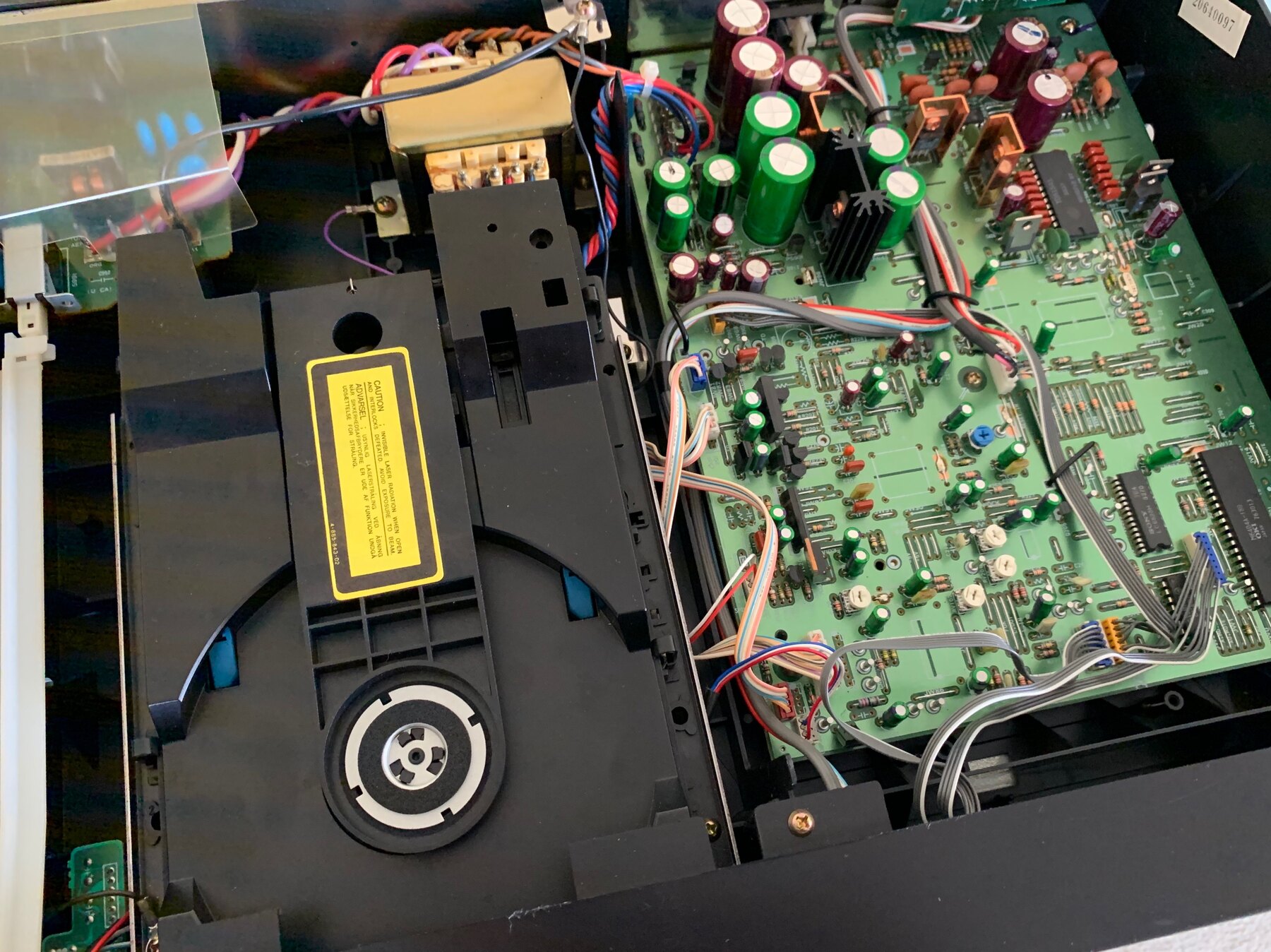
CD players
Philips TDA1549, Sony D-211, Sony CDP-710/TDA1541 and the meaning of a complete player.
CD progression →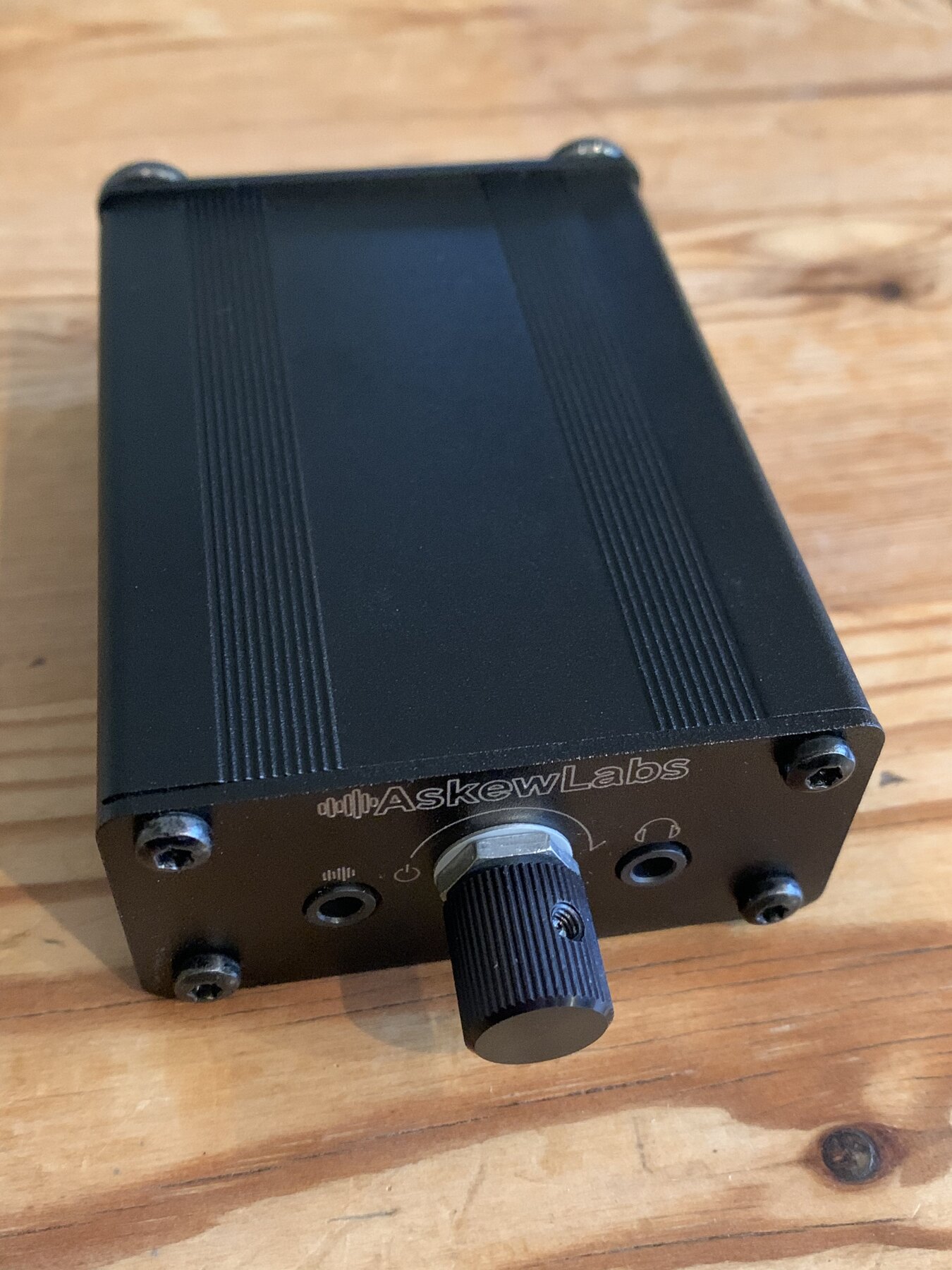
Op-amps
TLE2082, AD825, LME49860, ADA4627-1BRZ and OPA445BM as system-specific analogue-stage voices.
Analogue-stage map →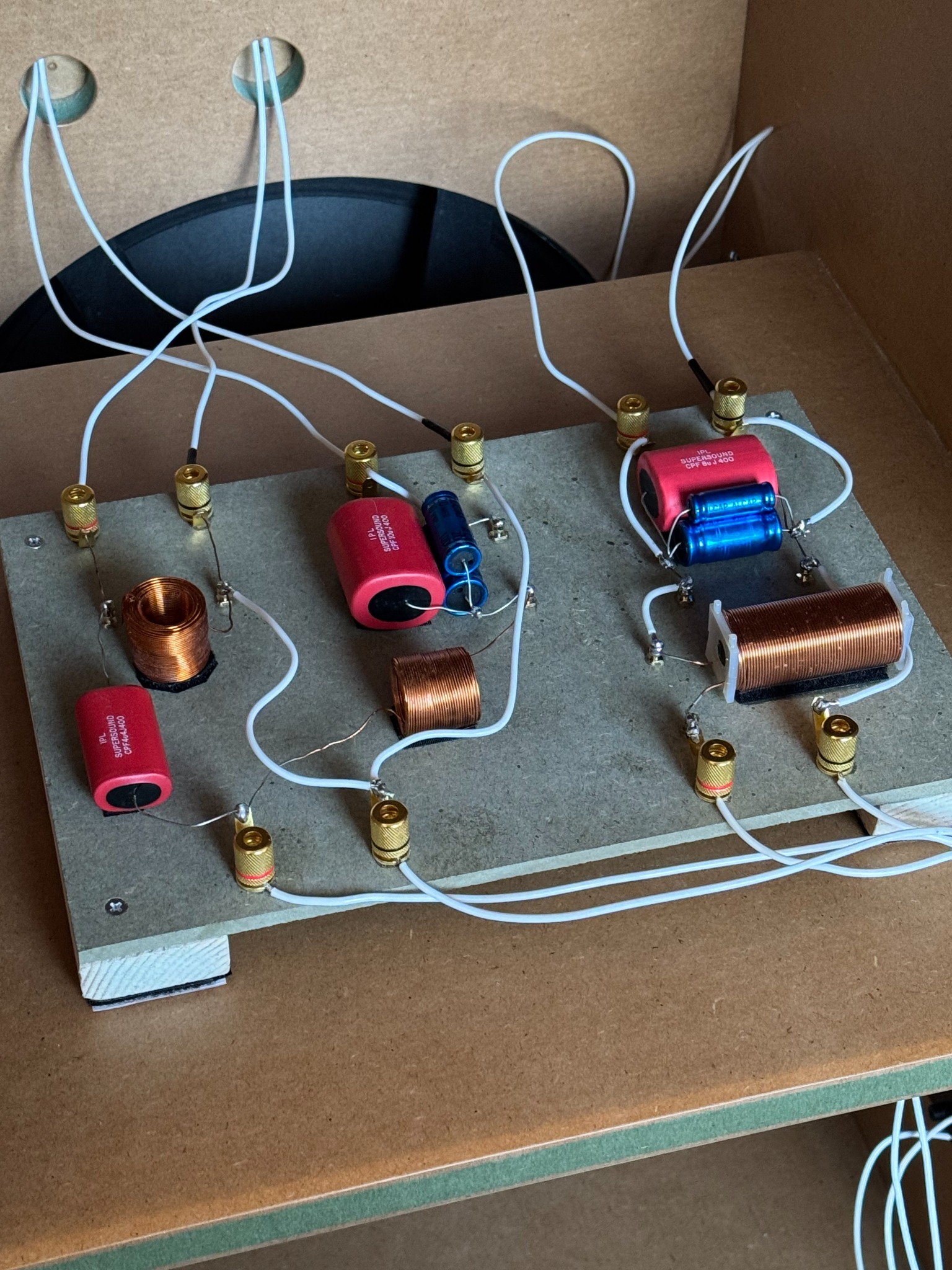
Signal path
S/PDIF, loading, switching, conductors and why shortest is not automatically best.
Trace the path →The mature question is not which carrier is purer.
The analogue archive strengthens the digital argument rather than weakening it: a preferred vinyl master can be valuable because of the source and mastering, while a carefully implemented DAC and output stage can potentially replay a high-quality transfer with lower recurring mechanical variation.
The PCM63-KY vinyl-transfer research takes that idea furthest, but the underlying lesson already exists in the built CD753: conversion architecture alone never explains the final musical result.