The valve is a circuit element, not a tone-control cliché.
The strongest valve notes talk about dynamics, dimensionality, grounding, air and flow as often as they talk about warmth.
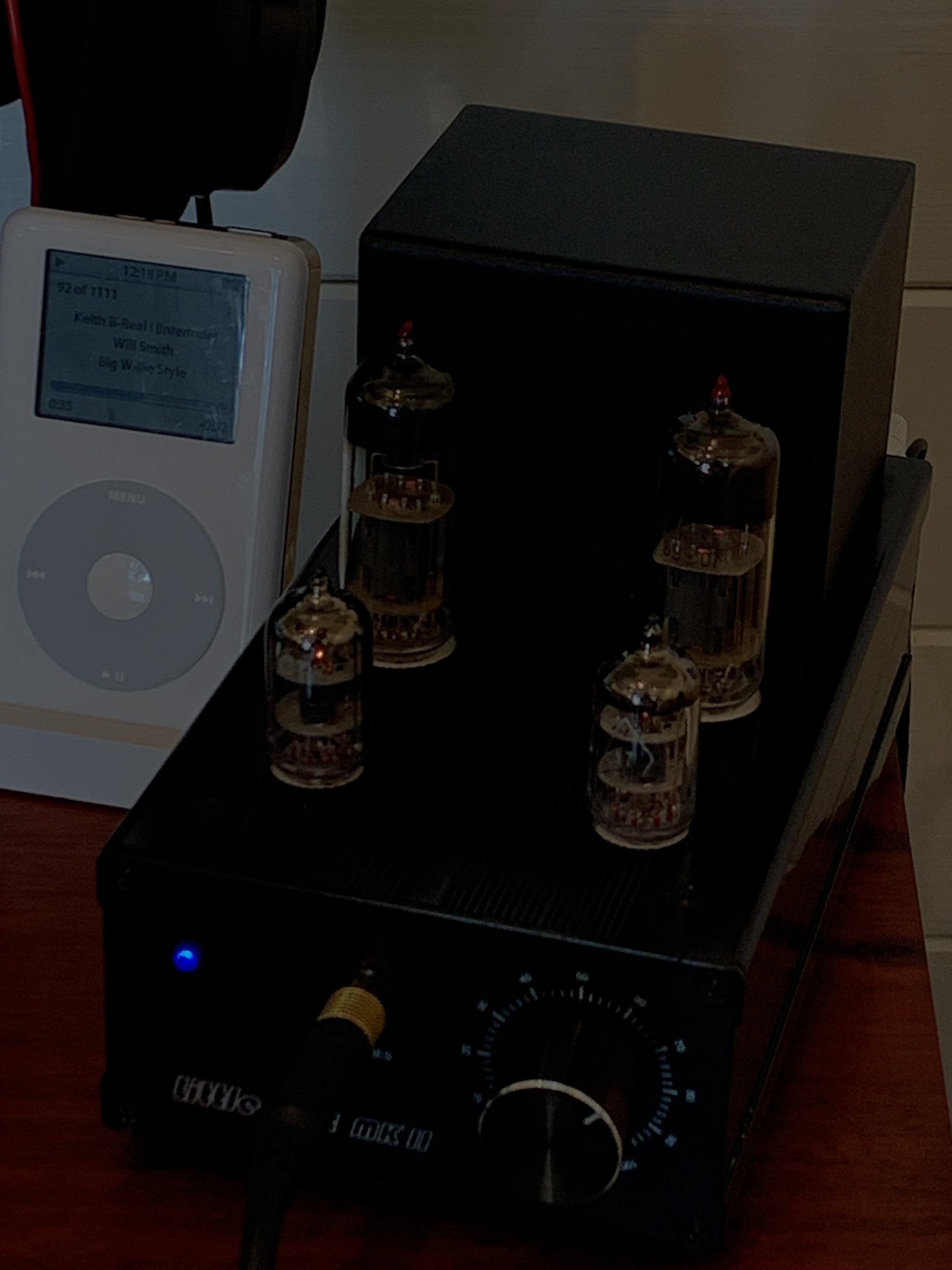
Different tubes become different seats in the venue.
The archive avoids a single permanent league table because a tube that is ideal in one chain can be excessive in another.
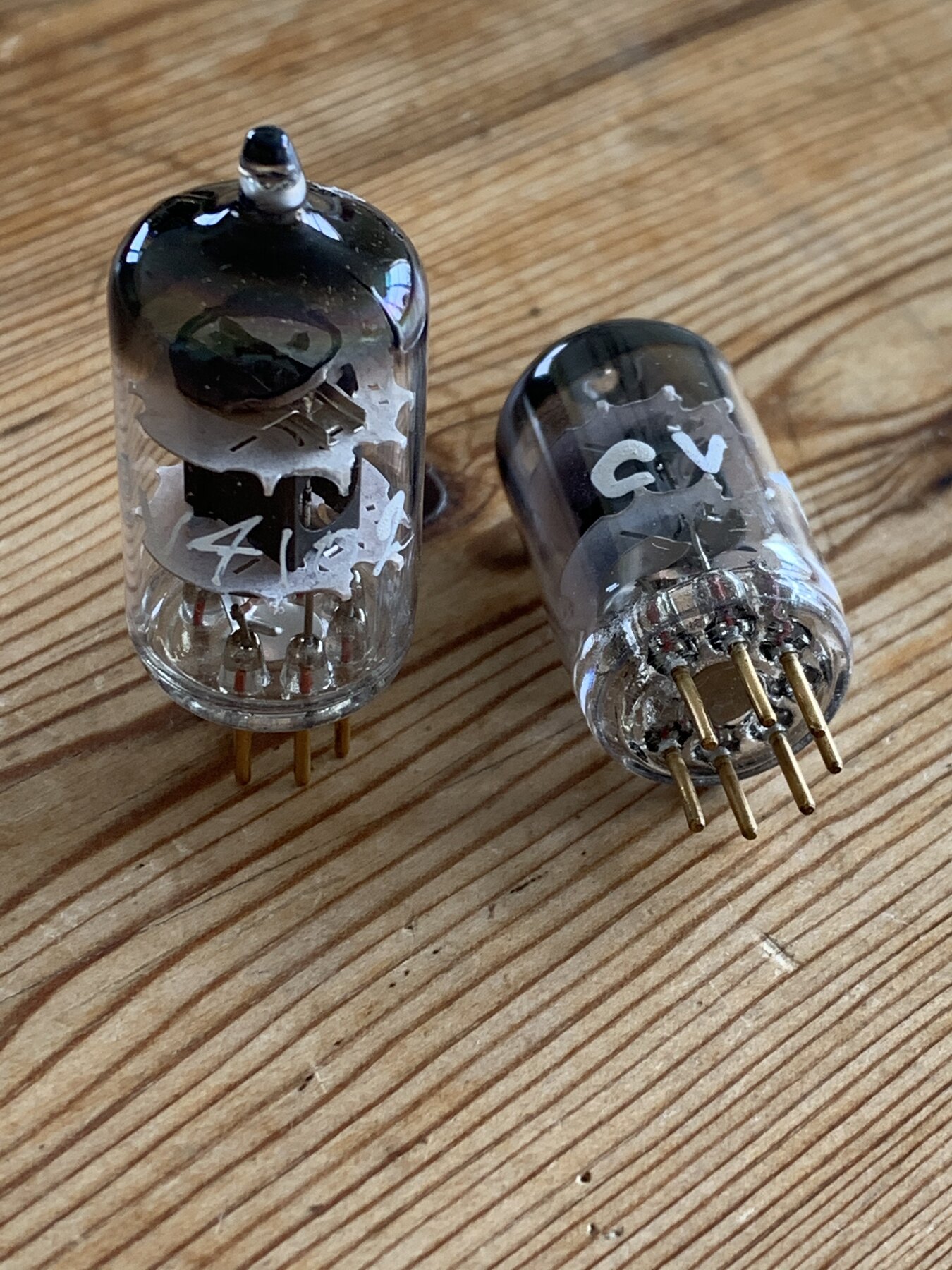
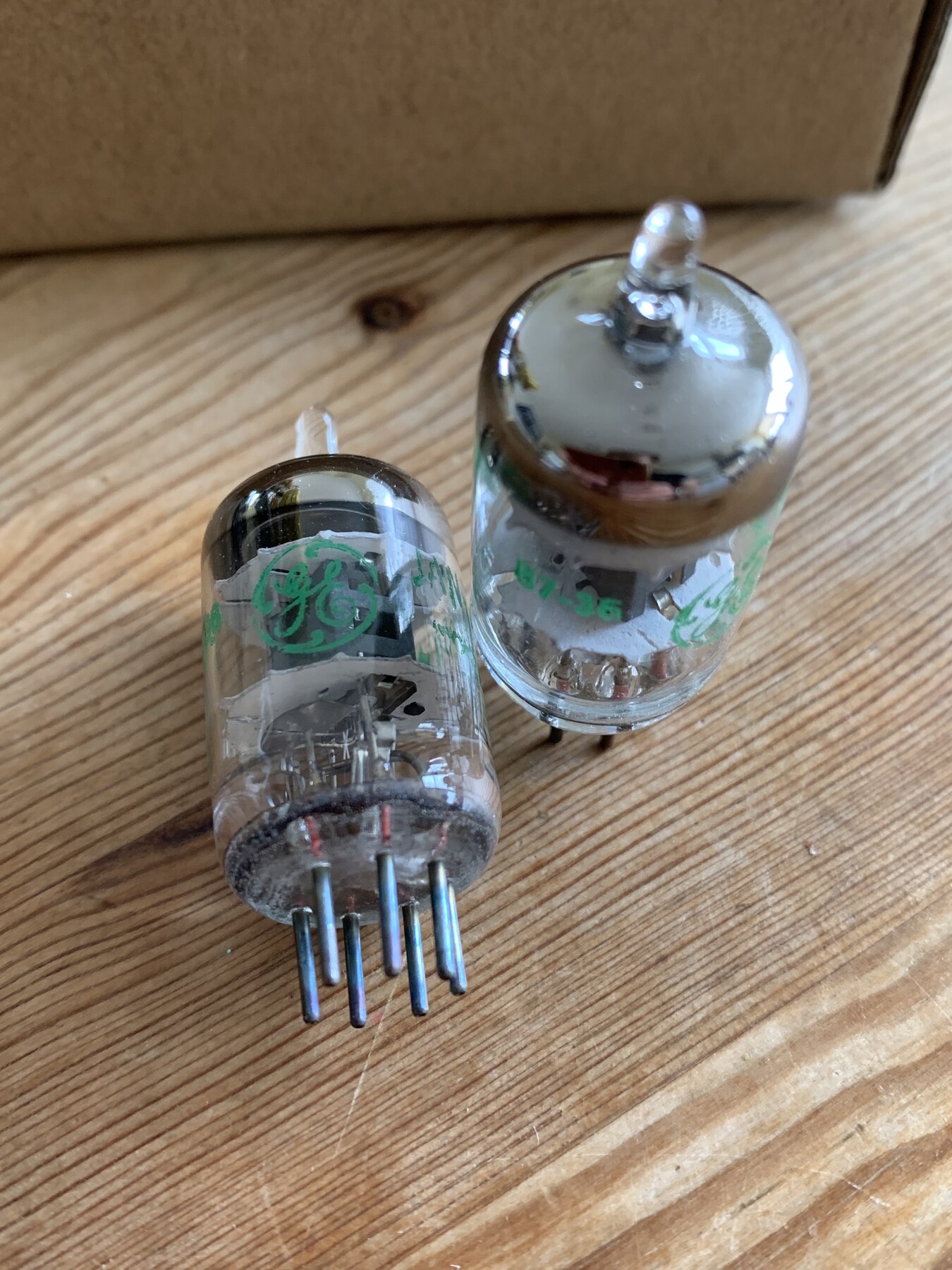
Voskhod 6J1P-EV types were repeatedly associated with solidity, insight and the ability to hear parts and whole together. Mullard M8100 variants brought intimacy, richness and a more relaxed perspective. GE JAN5654W brought air, atmosphere and a more theatrical sense of space.
The useful conclusion is not that one is objectively superior. It is that small changes in gain stage, impedance, harmonic structure and frequency response can alter the emotional perspective of a complete system.
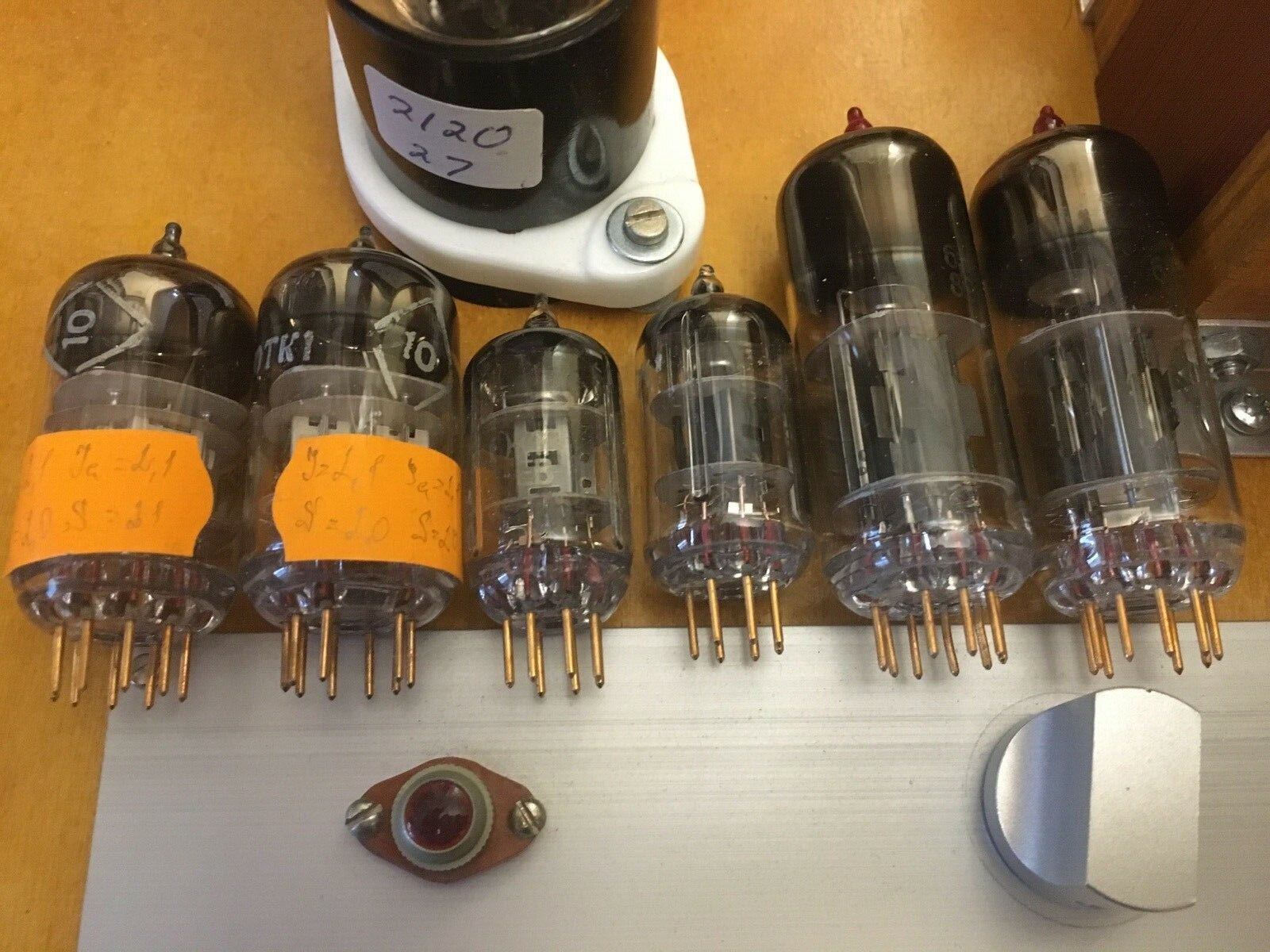
The listening vocabulary has photographs as well as notes.
These are archive images of the valve families that became repeatable reference points in the Little Dot and wider system work.
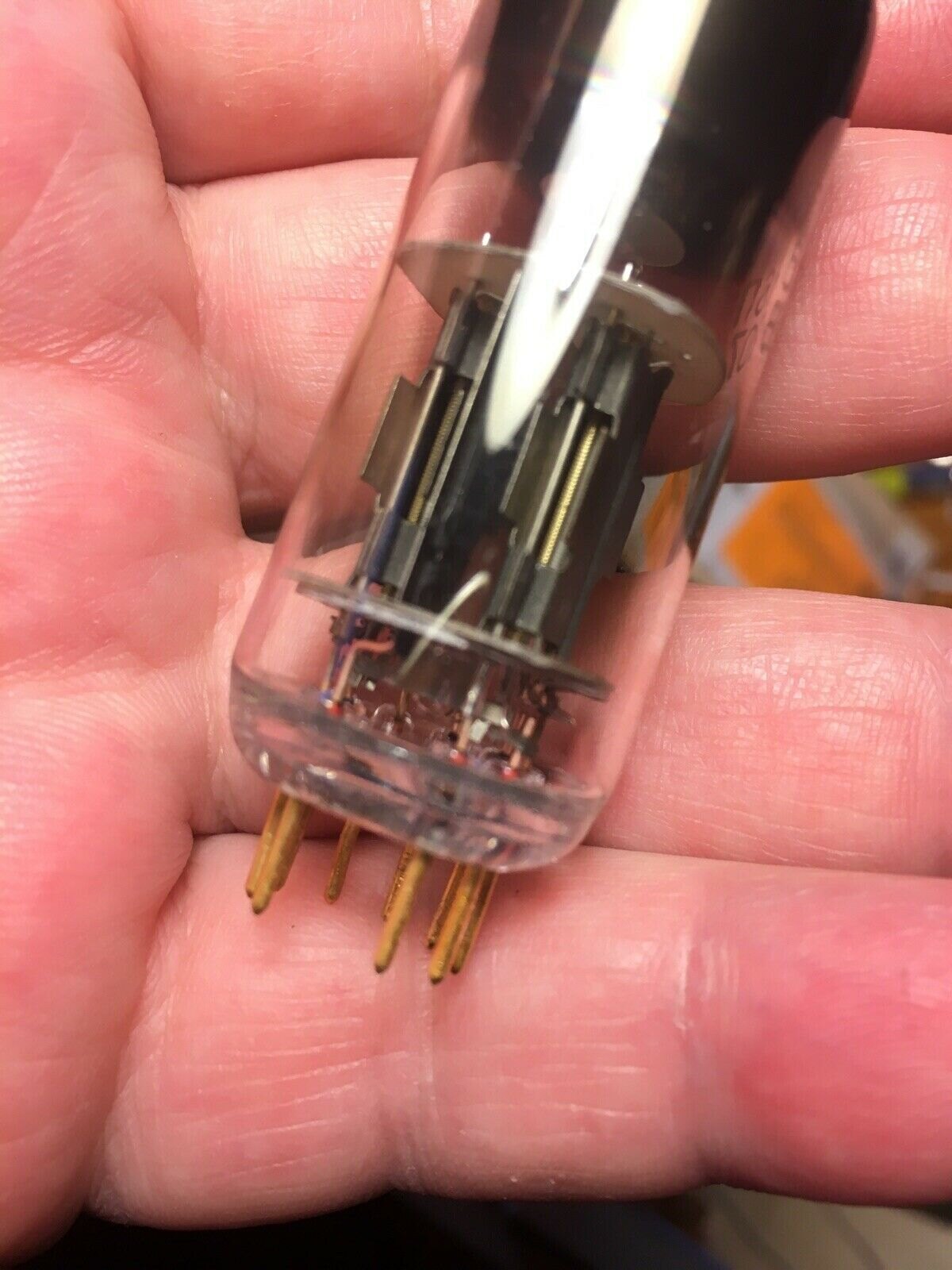
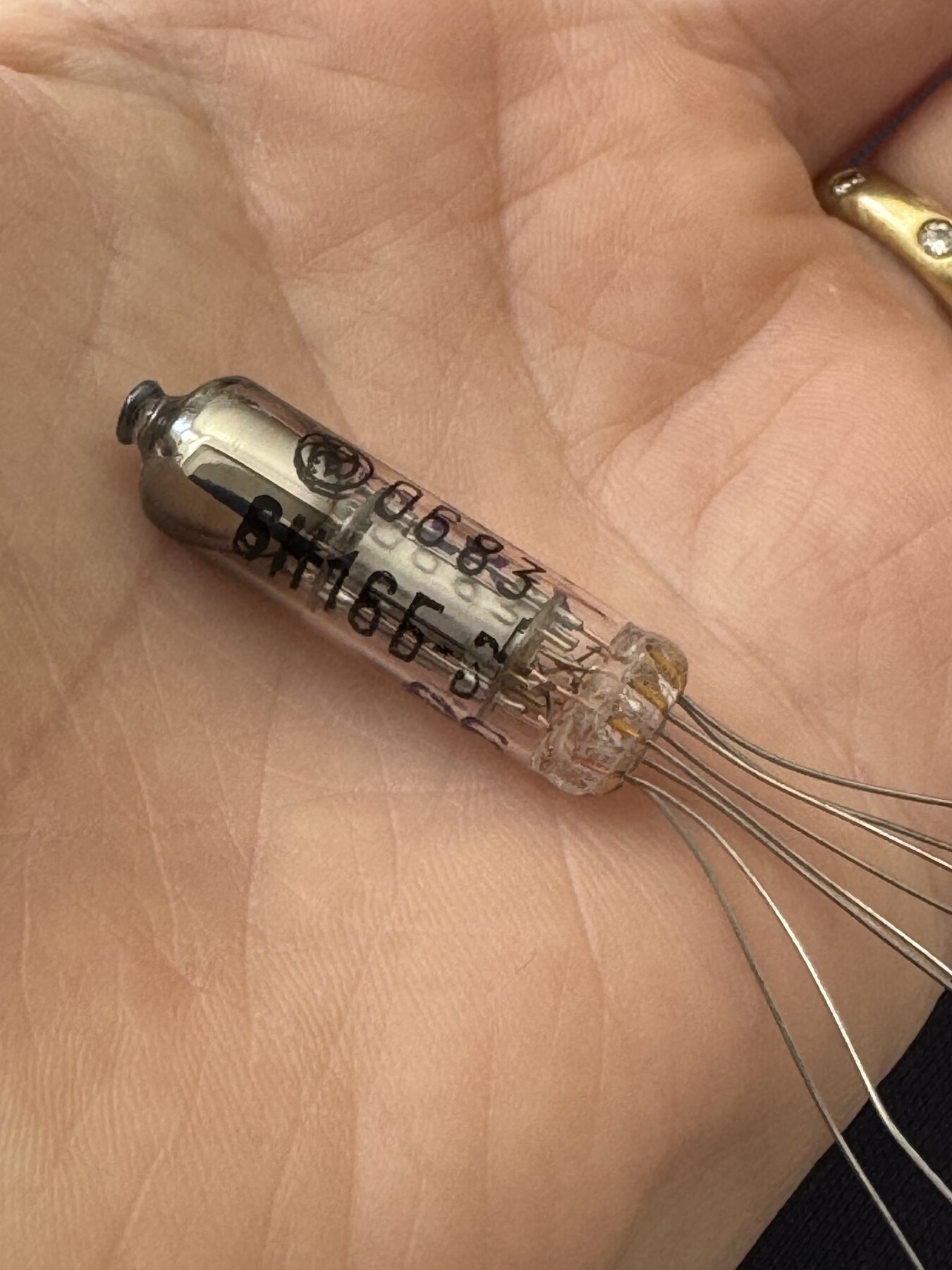
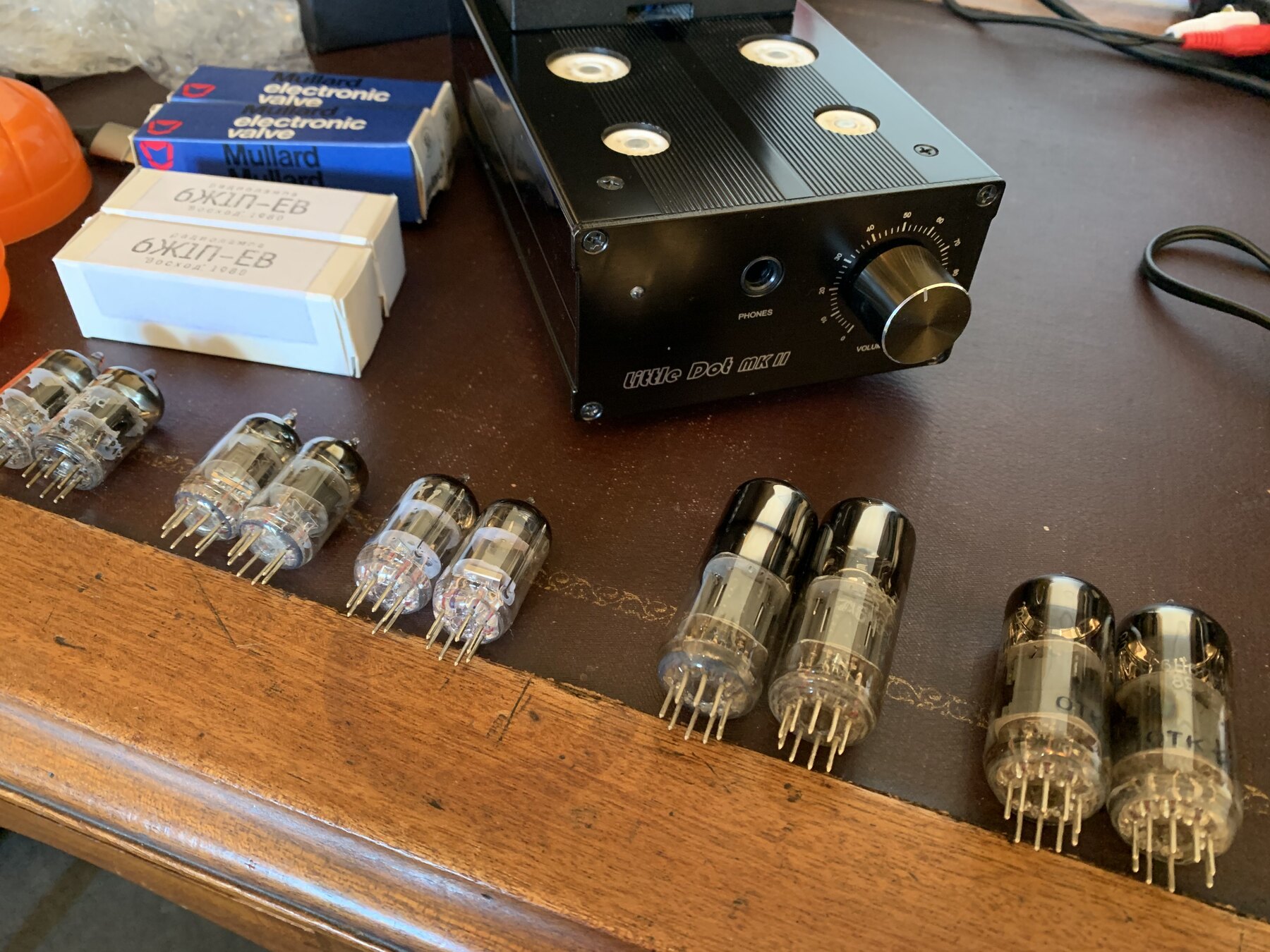
Why 6N16B keeps returning.
The subminiature MELZ 6N16B-V became important because it offered a practical route to a compact, low-microphony valve output stage. In the completed Philips CD753 MikroLampizator, 1988 MELZ valves in an SRPP topology helped create a result Luke described as organic, dynamic, real, truthful and non-fatiguing.
Later PCM1798 and preamp designs explore the same family not because the tube is assumed to possess magic in isolation, but because a familiar topology can provide continuity while other variables change.
“There is inner light, expanse, soul, feeling, details, atmosphere and truth.”Voskhod listening note
“Rich, warm, intimate and present.”Mullard gold-pin listening note
“A sense of atmosphere… intimate vocal wise, with added depth of space.”GE JAN5654W listening note
“More body and more detail having the pre-amp there.”CD753 valve stage into Little Dot MKII
Valve character is implementation-dependent.
Operating point, circuit topology, transformer, coupling capacitor, load and the following stage matter. Tube descriptions here are therefore presented as observed system behaviour, not universal tube laws.
Different tubes repeatedly changed proportion, not simply “warmth”.
| Tube / stage | Directly recorded character | Role in the wider progression |
|---|---|---|
| Voskhod 6ZH1P-EV / 6J1P-EV | Separation plus musical coherence, inner light, expanse, atmosphere and a grounded sense that the recording is simply there. | Little Dot reference driver family and a useful neutral-centre point for later portable comparisons. |
| Mullard 8100 Gold Pin | Rich, warm, intimate, present and front-row without losing the room around the performance. | Defined the “intimacy and body” side of the preference map. |
| GE JAN5654W | Air around instruments and vocals, atmosphere and an “inner light” while remaining intimate. | Demonstrated that openness did not have to mean thinness, and later influenced the way M15i Blue was judged. |
| 1988 MELZ 6N16B-V | Used in the completed CD753 MikroLampizator. | The first direct bridge from valve listening into a hand-built digital output stage. |
| 1983 MELZ 6N16B-V | No finished-build listening claim yet. | Later research choice for the planned PCM1798/6N16B project, selected as a warm-neutral middle ground to be verified after construction. |
Why the Little Dot mattered so much
Because the same amplifier could be used as headphone amp and preamp, tube changes could be heard through more than one transducer. That made the observations more useful than a one-system flavour comparison. Russian, Mullard and GE families became a vocabulary that later reappeared in op-amp and portable-DAC choices.
Why the 6N16B research is different
The future SRPP stage is not a tube-rolling platform first. Its operating point, power supply, grid reference, cathode bypass and output coupling are designed as a unit. Tube-year comparisons only become meaningful after those electrical conditions are established.