Same questions. Different scale.
Three room-system scales form the main progression: a compact kitchen system, the mid-sized practical laboratory and the listening-room reference. Portable and headphone listening sits alongside them as a personal-scale laboratory rather than a final rung.
Mini. Mid-sized. Listening-room reference.
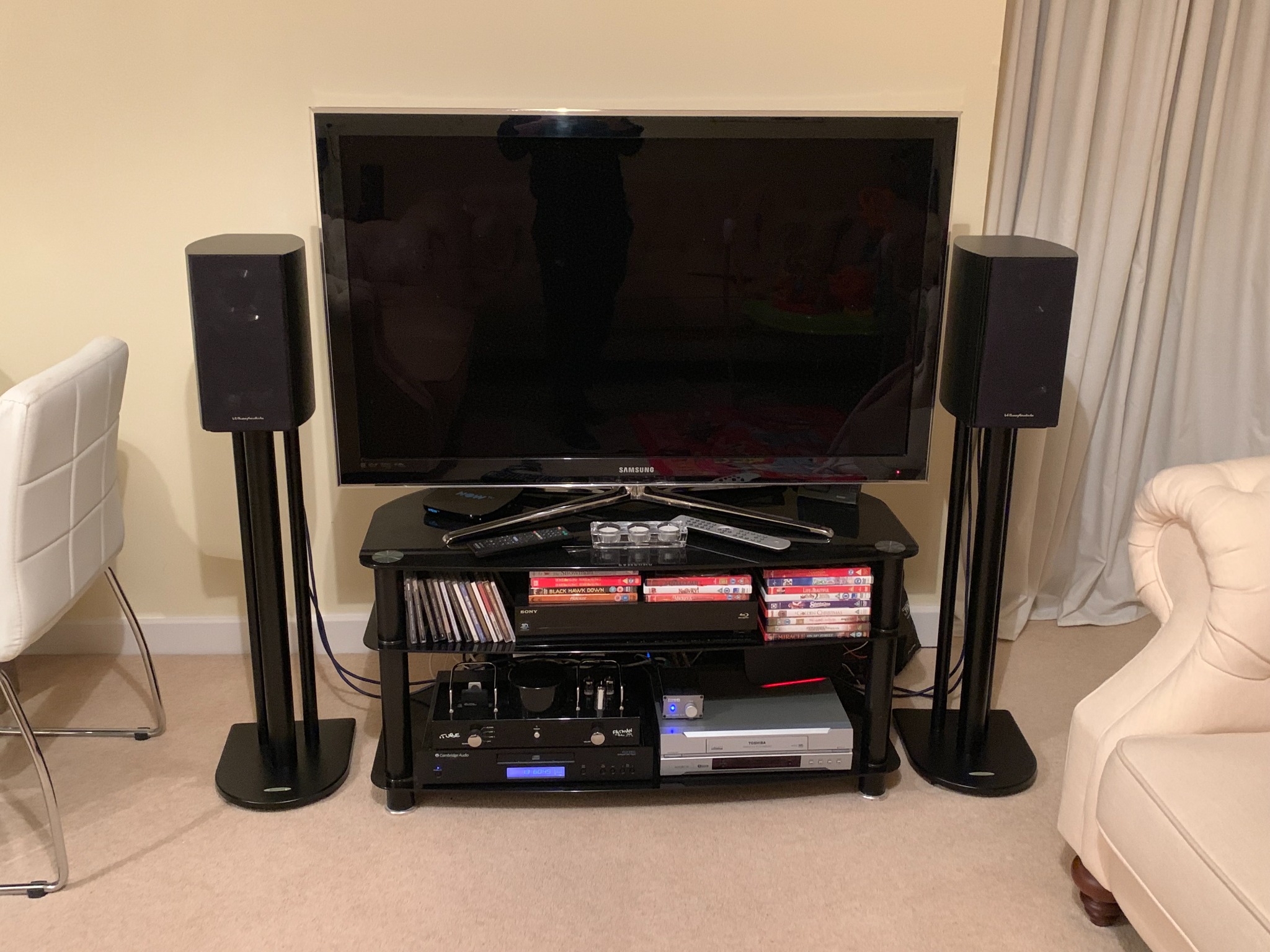
Mini kitchen system
Cambridge CD, Fatman Carbon 2 hybrid-valve amplification and Wharfedale Diamond 10.1 on sand-filled Atacama supports.
System story →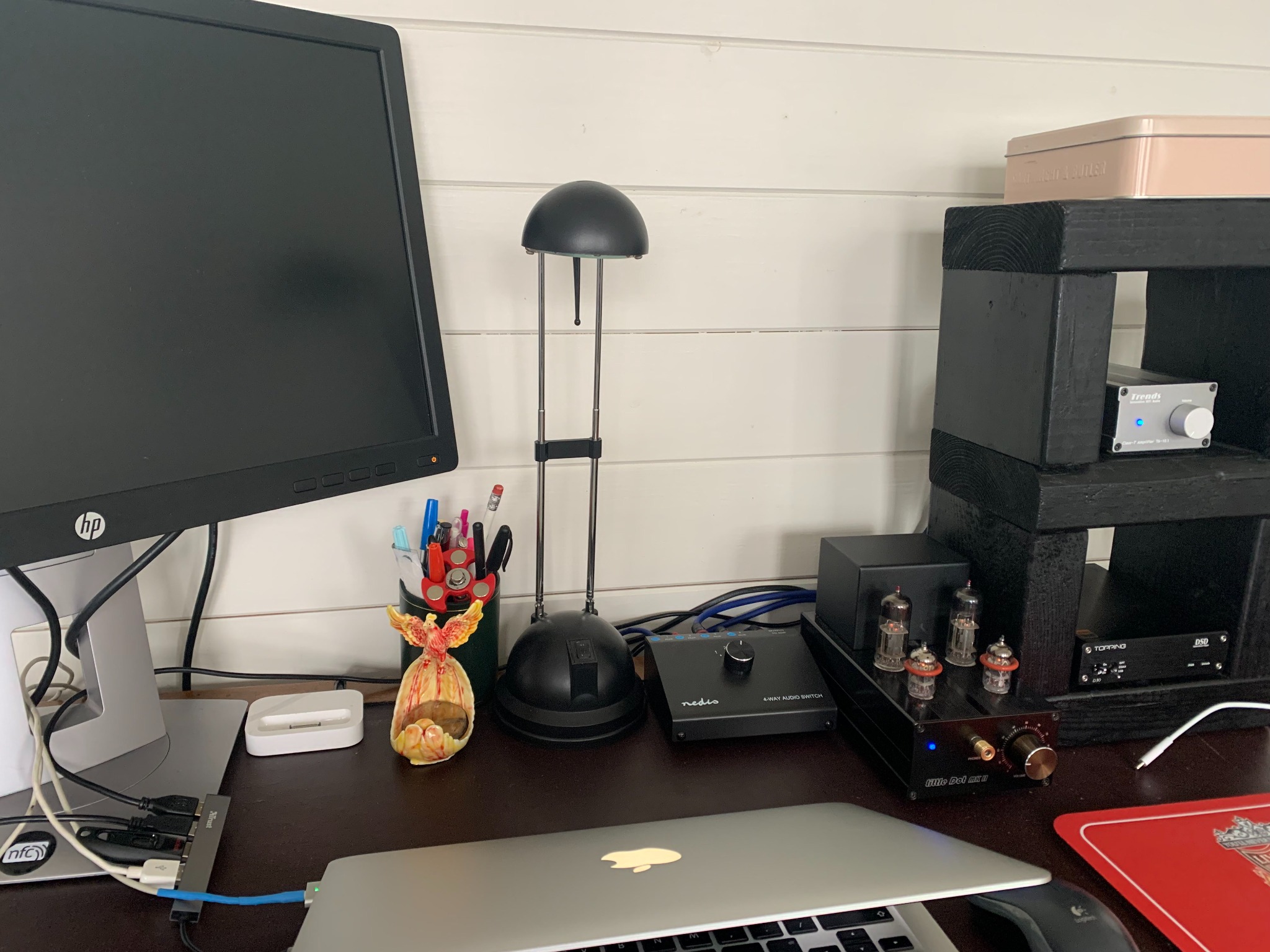
Mid-sized system
The practical test bed for TDA1549, MikroLampizator, Little Dot, Topping D30, Trends Audio, valves, op-amps and speaker tuning.
System story →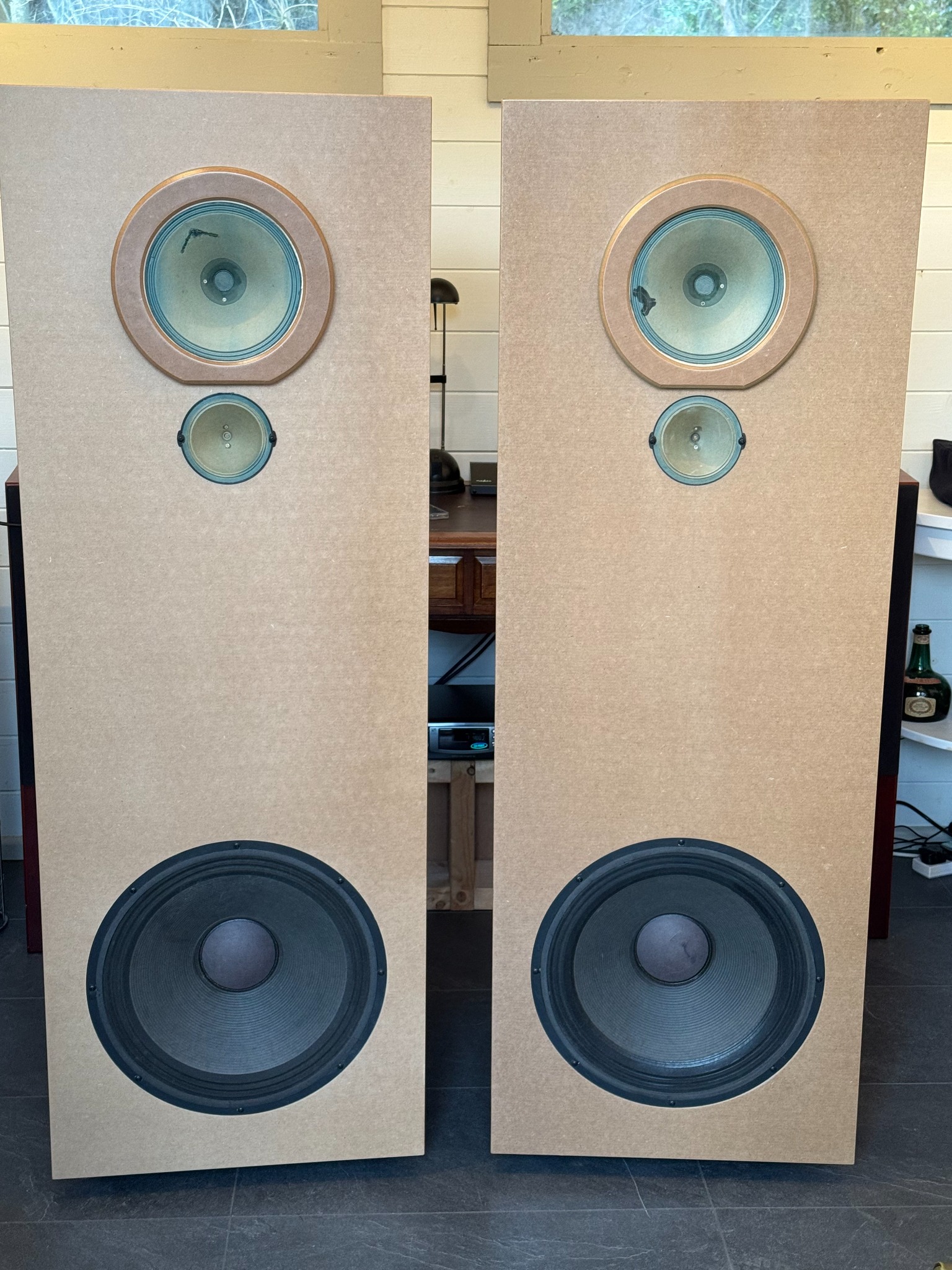
Listening-room reference
The completed P17 is the acoustic anchor while source, preamp and power-stage branches continue to evolve.
Architecture →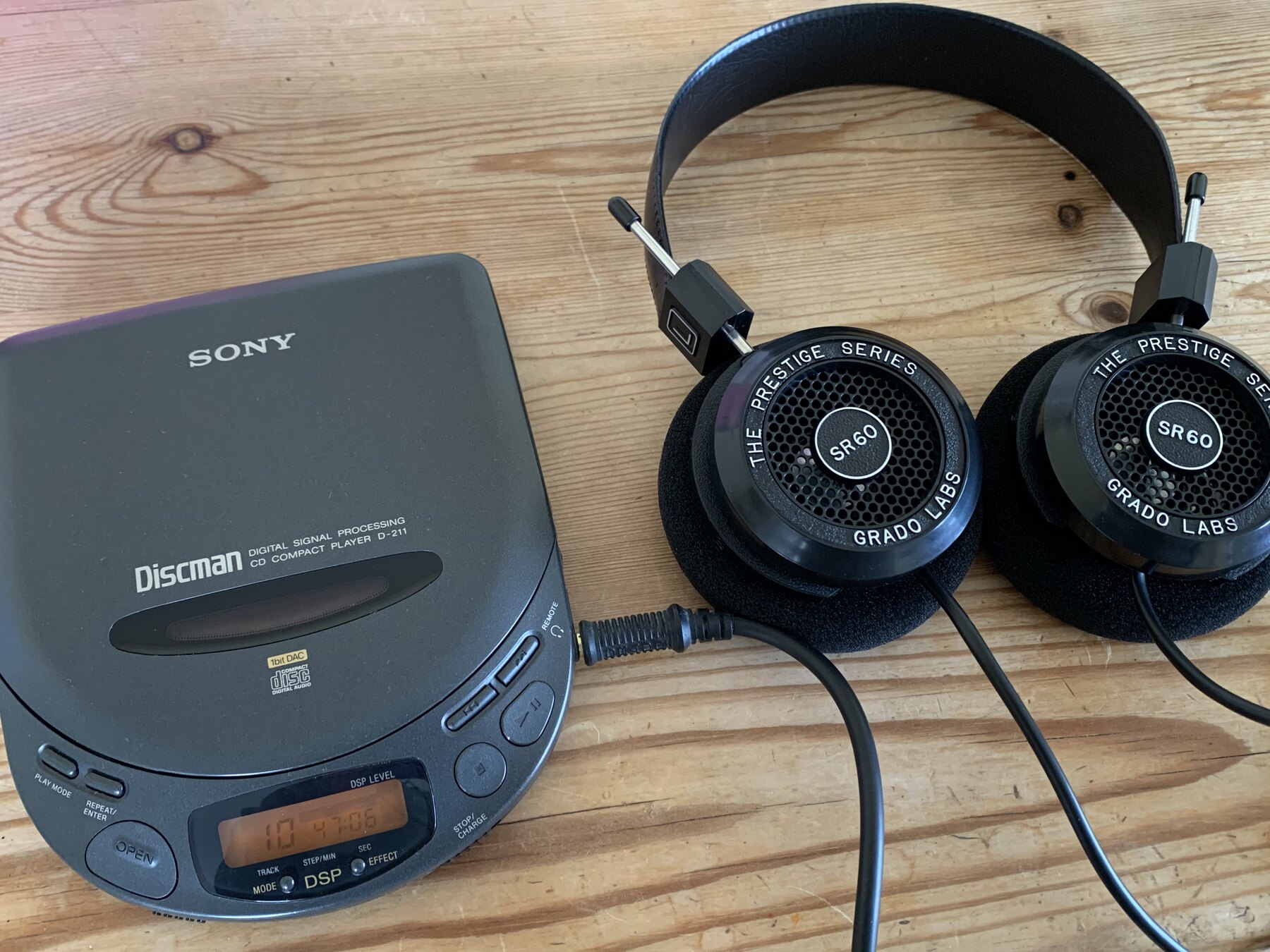
Portable, desktop & headphones.
Portable listening is treated as a serious parallel branch, not as a smaller substitute for the reference room.
D-211, iPod, MiniDisc, CMOY, Little Dot, Grado, Sennheiser and M15i repeatedly expose the same system questions with less room interaction and a more direct view of source and amplification character.
Synergy scales better than prestige.
“The system should make the music feel more complete, not make the equipment feel more expensive.”
That principle is why the advisory work starts with the listener’s desired experience and existing chain, rather than a shopping list.
Scale changed. The questions did not.
Mini: proportion
A compact hybrid-valve system demonstrated that sensible matching and basic mechanical setup can matter more than creating a long equipment list.
Mini case study →Mid: interaction
Source, valve output, preamp behaviour and a small power amplifier became a practical lesson in system relationships.
Mid-sized case study →Reference: architecture
The listening-room plan became a framework for comparing DAC families, valve stages and power amplification around the P17.
Reference direction →Portable: precision
Headphones and small DAC/amps made subtle changes in body, air and stage unusually easy to hear.
Portable laboratory →Headphones: perspective
Different transducers exposed the cost of chasing width, warmth or detail too aggressively.
Headphone philosophy →Synergy: the synthesis
The mature lesson is that the best individual box is not always the best system choice.
System synergy →Each system solved a different problem.
Prove that a compact, conventional system can still benefit from valve choice, mechanical support and sensible cabling without becoming an endless upgrade project.
Turn a practical lounge/office chain into the laboratory: TDA1549, MikroLampizator, Little Dot, Trends Audio, D30 power and op-amp work, speaker-port experiments and headphone cross-checking.
Use P17 as the completed acoustic anchor while the upstream architecture remains modular: TDA1541, PCM1798/6N16B, PCM63/M24 and different power-stage philosophies can be explored without pretending one path has already won.
Separate intimacy, immediacy and intentional listening from scale. D-211, iPods, Askew, Grado/Sennheiser and M15i repeatedly reveal the same sonic preferences in smaller form.
The supporting architectures now have their own chapters.
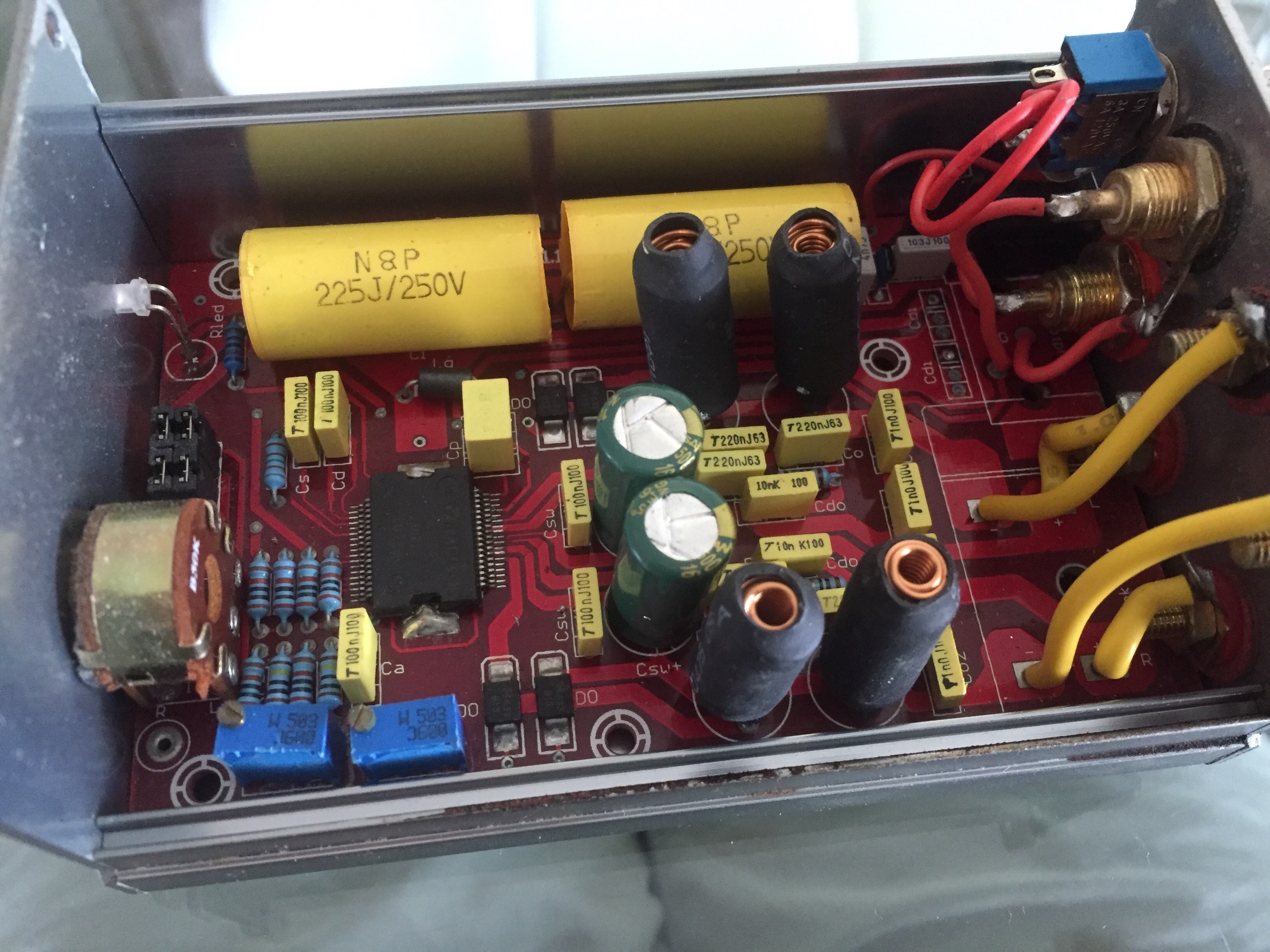
Amplification
From the built Trends power-stage approach through Temple, SET/DHT and the later Monarchy Class-A research branch.
Follow the power-stage evolution →Portable players
D-211, iPods, MiniDisc, M15i and the role of intentional listening.
Explore source roles →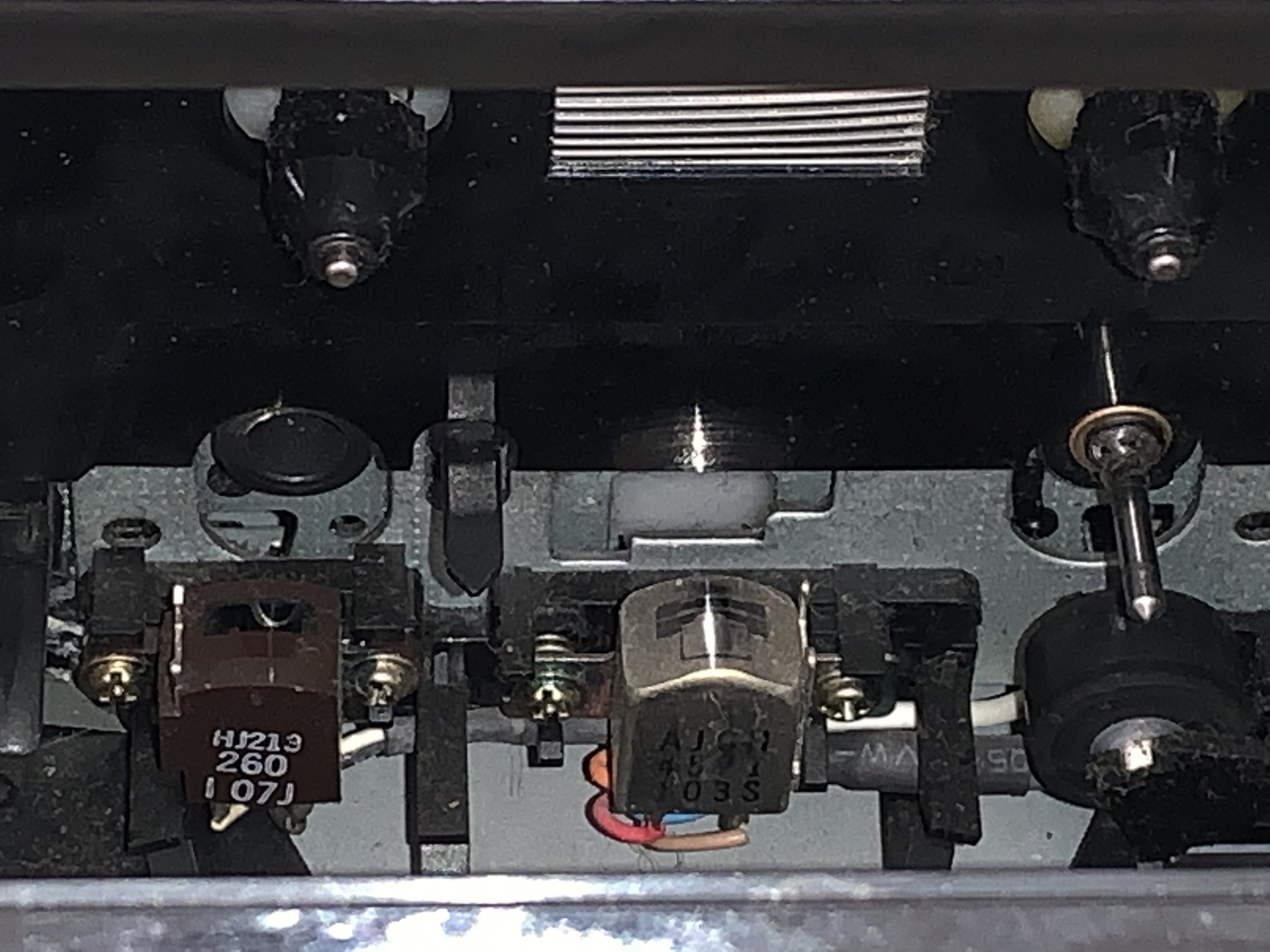
Tape
Owned portable tape, researched home decks, reel-to-reel and recording philosophy.
Enter the analogue branch →