Impact and intimacy can travel.
The portable archive is not a side hobby. It is another laboratory for source character, amplification, headphone voicing and the recurring target of body plus openness.
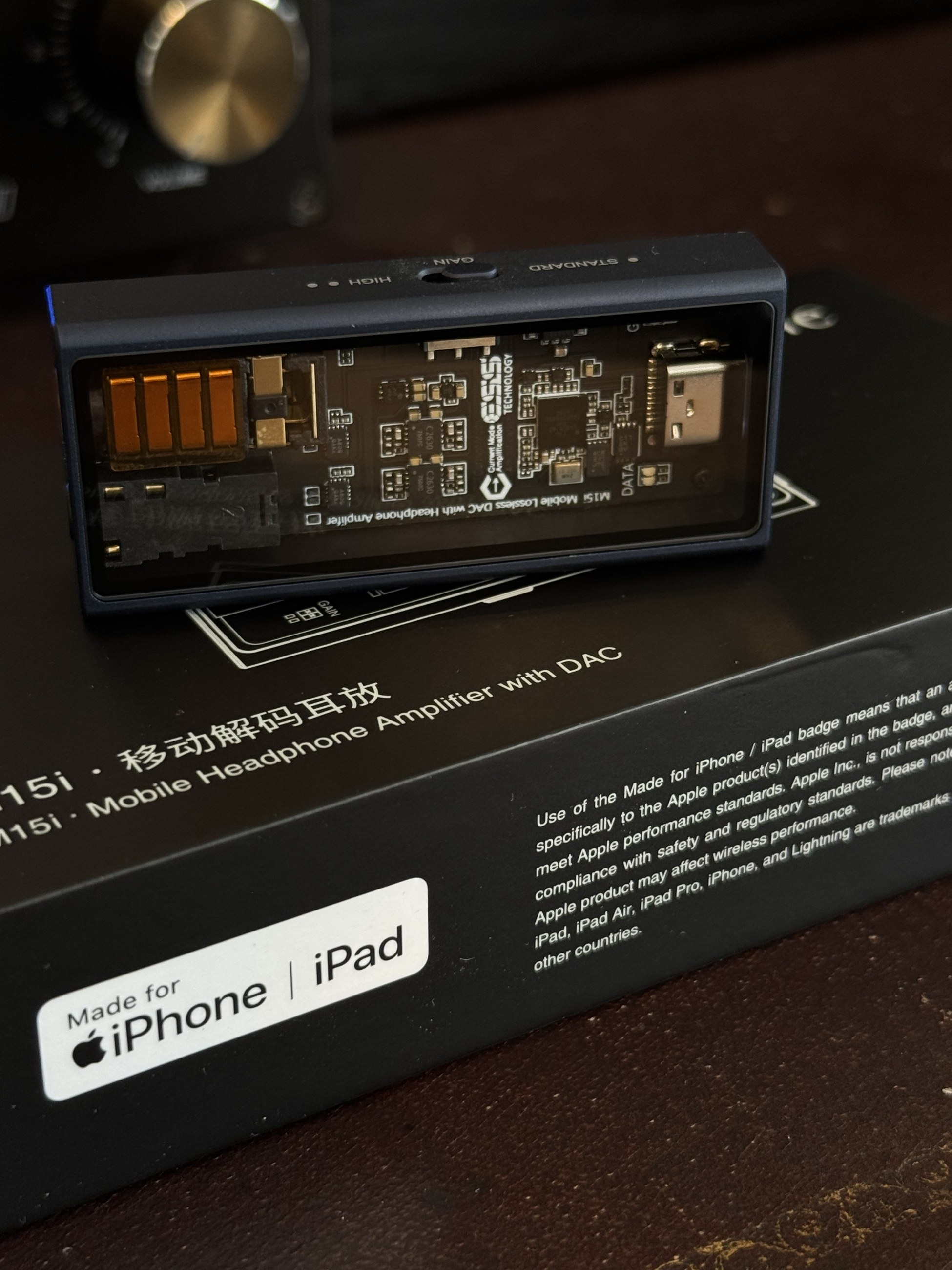
Questyle M15i Blue: a recent expression of the target.
Luke’s first notes hear more vocal presence and clarity, warmth without veil, fuller vocals with depth and harmonic “wholeness”, good coherence, immersion and scale that feels closer to a desktop amplifier.
The interesting part is not whether it is “better” than the Apple dongle or Askew CMOY in every respect. It is how each works with a different source and headphone. The warmer iPods, for example, can make the Askew’s particular musical balance especially useful.
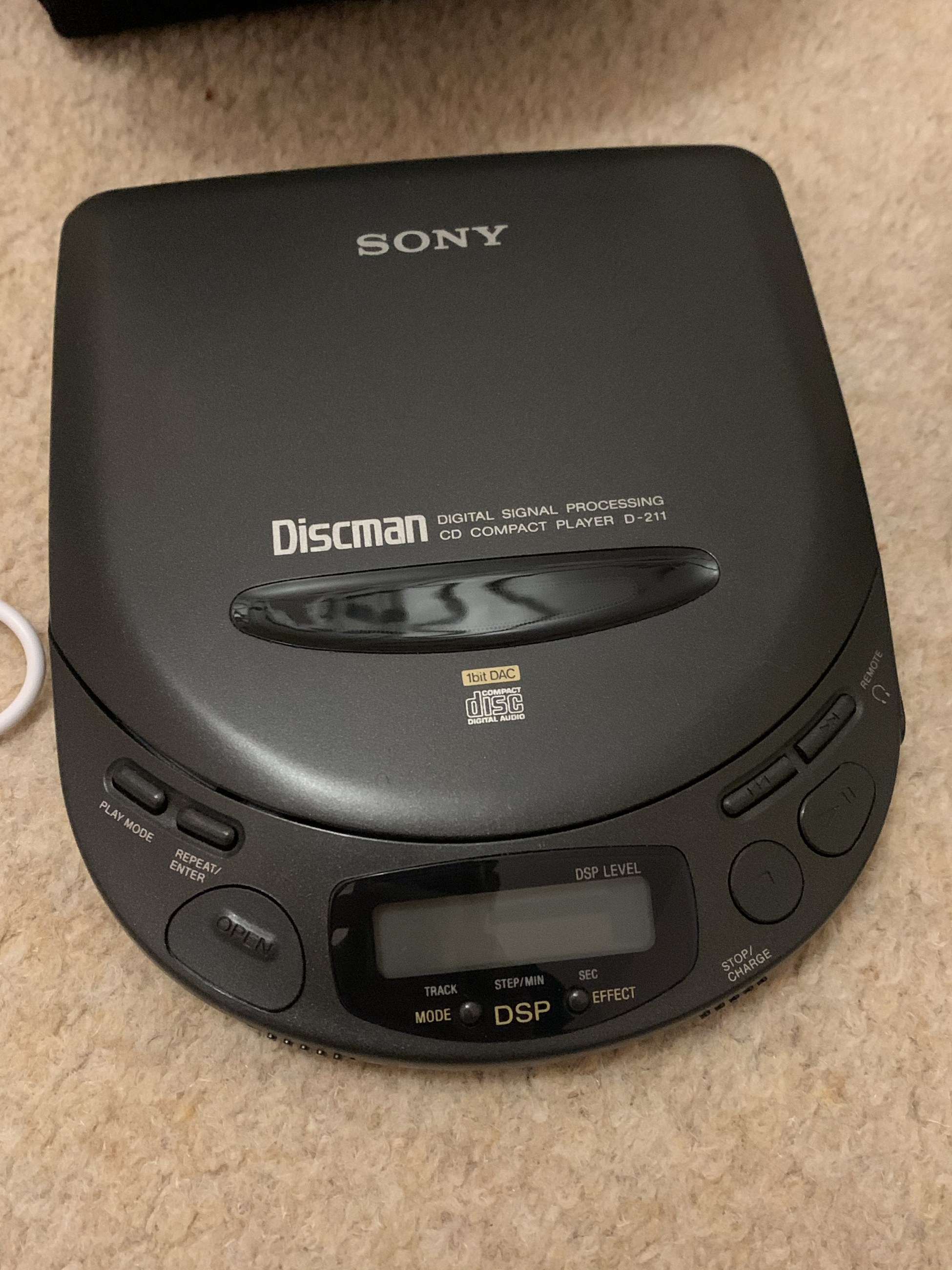
Sony D-211
Serviced and recapped. A long-running reference for natural tone, organic presence, timing and unusually convincing headphone output.
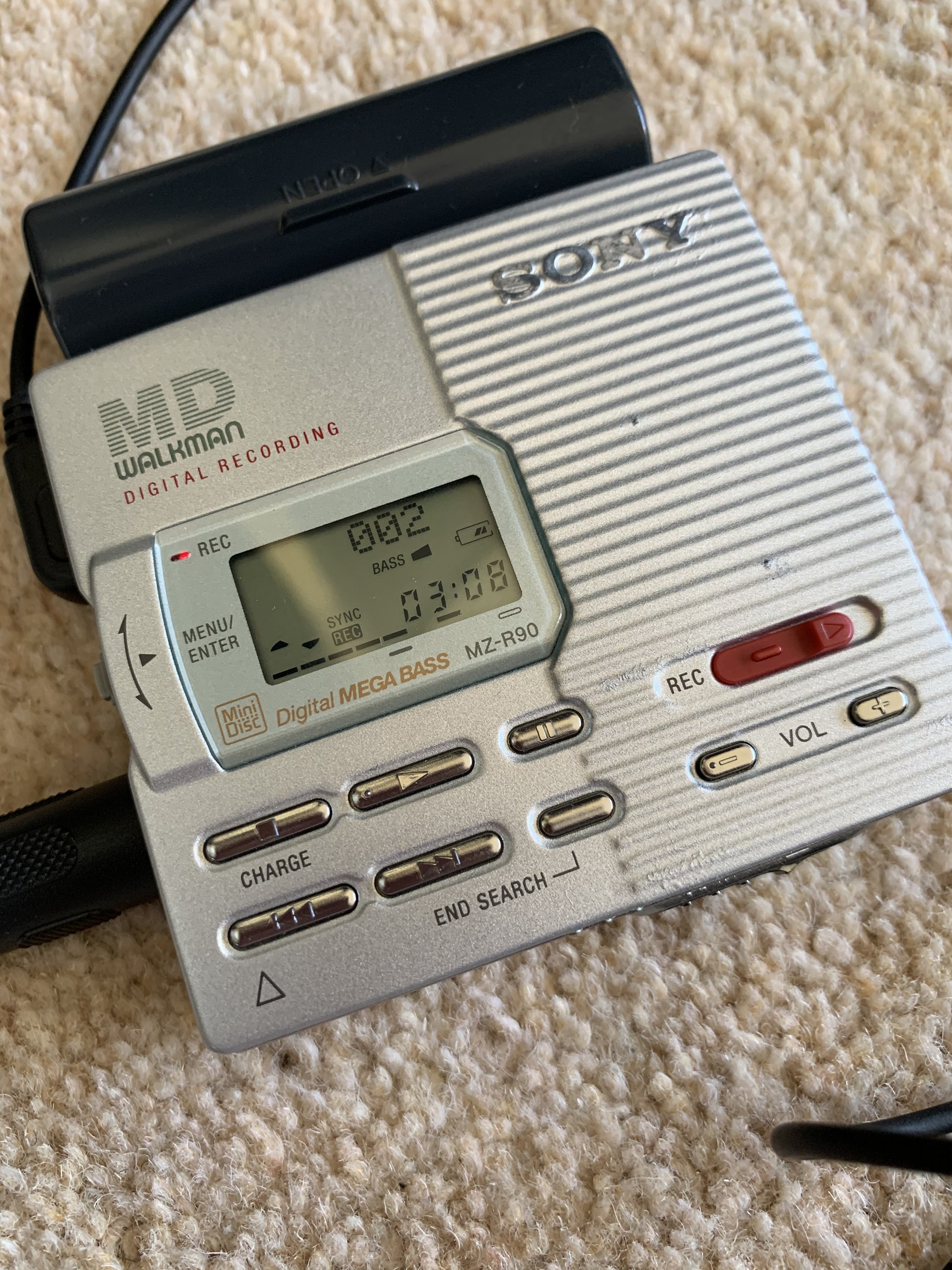
Sony MZ-R90
ATRAC-era MiniDisc retained because near-CD technical limits do not prevent it from sounding natural and musical in the right context.
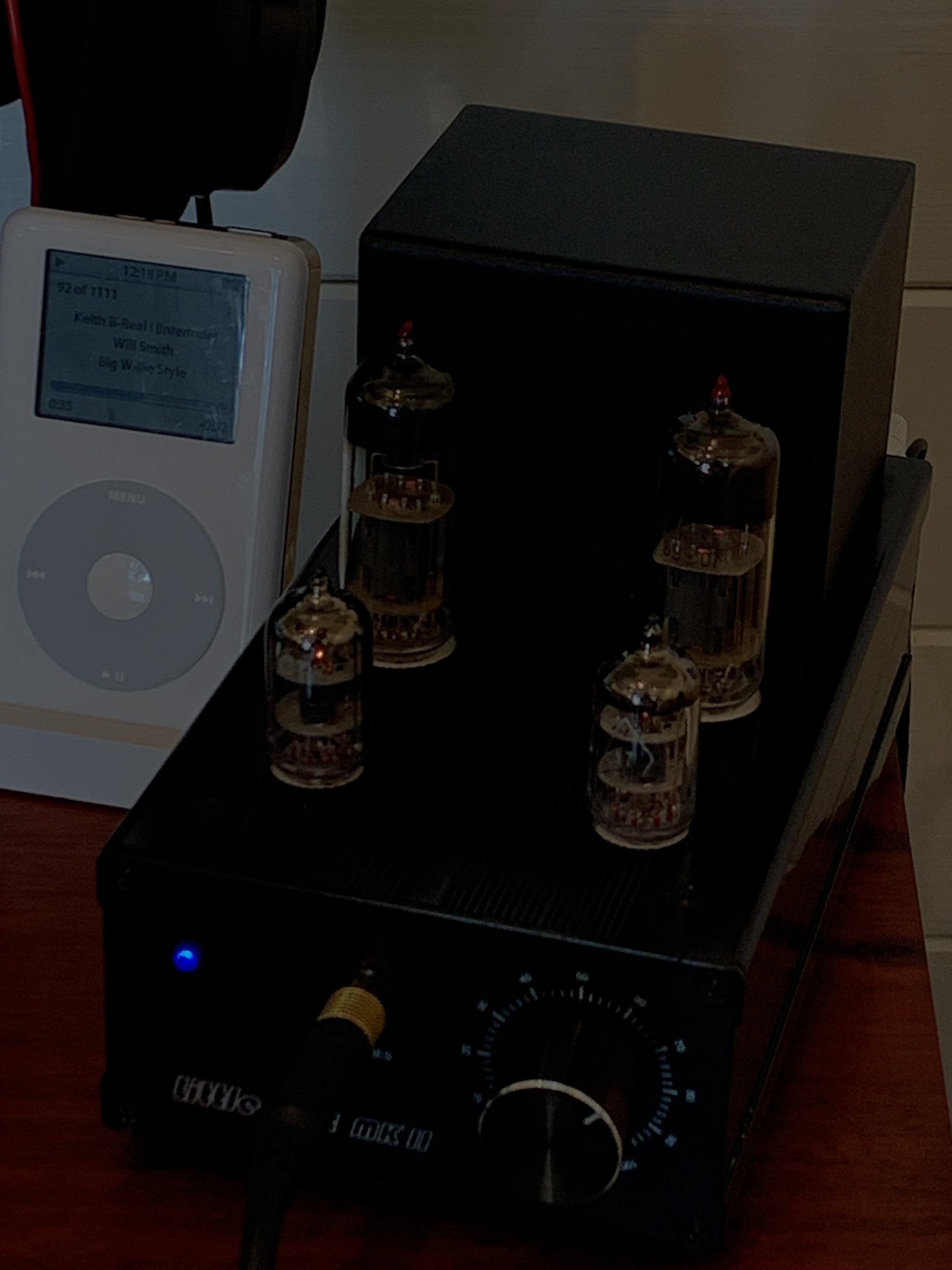
Little Dot MKII
A valve headphone amplifier and preamp that became a platform for Russian, Mullard and GE tube voicing experiments.
No single headphone has to do everything.
Grado SR60i
Open, energetic, revealing and geometrically expansive. The diary repeatedly values its ability to put the listener “in the mix”.
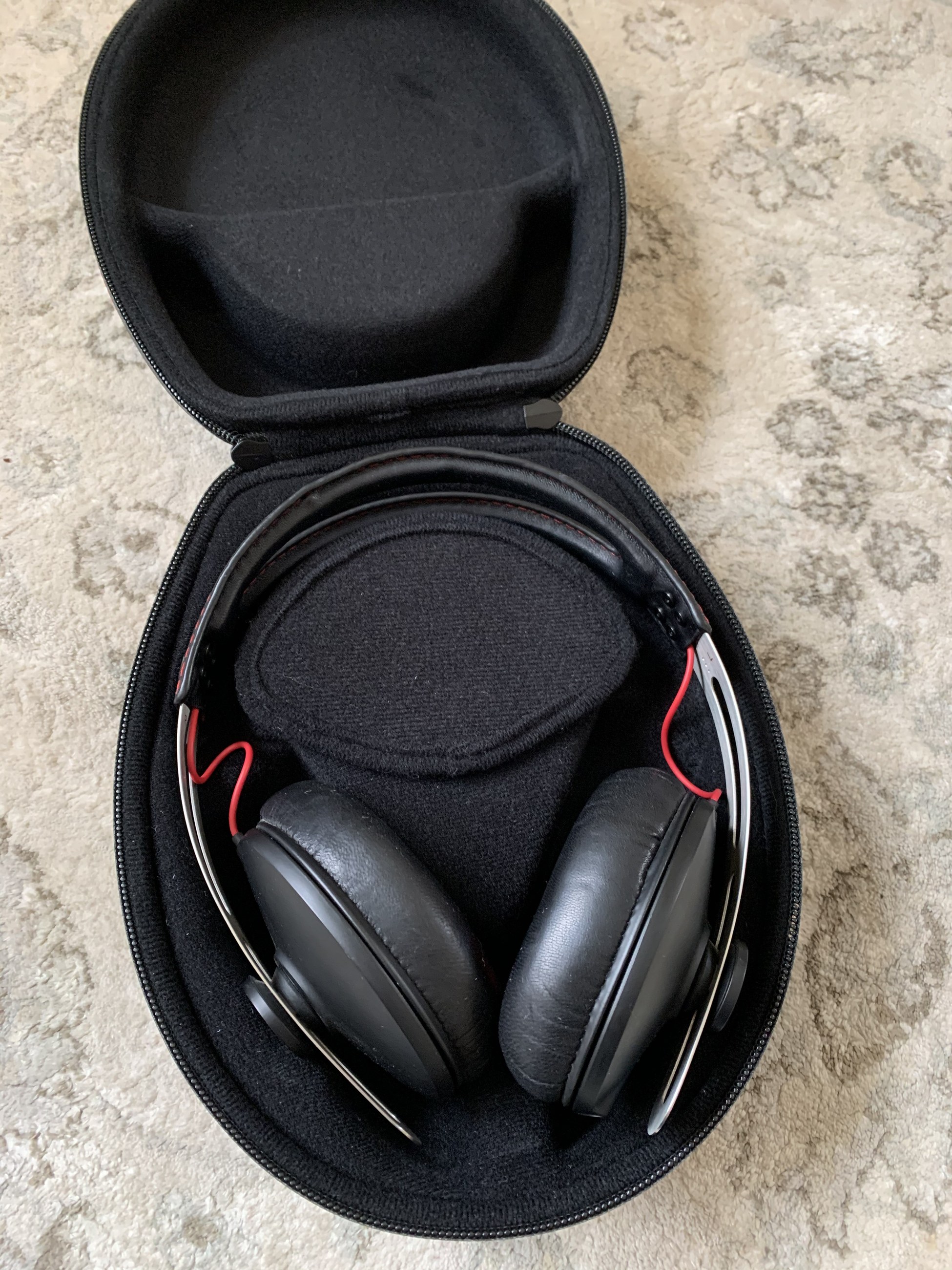
Sennheiser Momentum 1
Smoother, fuller and useful when isolation, warmth and broad genre compatibility matter.
HD25-1 II
Closed, dynamic, durable and especially useful for rock and on-the-go listening, though less airy than the Grado.
System matching
The same headphone changes substantially with source, op-amp, valve and amplification. The chain is the instrument.
Music collection as a soul mirror.
One of the strongest ideas in the portable archive is not technical at all: the library should be a living space, not a digital shelf.
Keep what still speaks. Let playlists reflect states of mind and periods of life. Use screenless or deliberately simple players when removing visual choice makes listening deeper. The purpose of the hardware is ultimately to create conditions for attention.
Read “The Living Library” →Intimacy inside a dimensional acoustic.
The 2026 M15i Blue discussion crystallised years of earlier listening into one sentence: Luke does not simply want warmth, detail, stage or intimacy. He wants the contradictions resolved together.
Small systems became a second laboratory, not a compromise.
Sony D-211
Repair and recap work created an early portable reference. The headphone output’s natural tone, live presence, timing and energy became evidence that the complete analogue/output implementation could matter more than format prestige.
iPod + CMOY
Wolfson-based iPods, line-out listening and the Askew amplifier made op-amp choice and source intentionality audible in a genuinely portable chain.
Grado / Sennheiser cross-checks
SR60i openness, Momentum warmth and HD25 drive became recurring reference points. The same source could sound different enough to show that “best” was often role-specific.
Screenless listening returns
The first-generation iPod Shuffle brought the Living Library philosophy into hardware: no screen, strong tonal character and a finite set of music chosen to be heard rather than browsed.
M15i Blue
The choice was not made from specifications alone. It was mapped against Mullard intimacy, Russian balance, GE air, OPA445 grounding and the preference for whole-track coherence.
Different devices, deliberate roles
Modern streaming, intentional iPod listening, old-school portable CD and serious home headphones can coexist because they optimise different kinds of attention and presentation.
Blue does not replace the iPods, D-211 or Askew.
The August 2026 master document explicitly reframes the collection as complementary systems.
iPhone / laptop → M15i Blue → Momentum, Grado or future larger headphones.
iPod Photo / modified Nano → Askew BRZ or future SR-71A → familiar headphones.
Sony D-211 → headphone out or external amp where useful, with the complete player remaining part of the sound.
D30 / OPA445BM → Little Dot MKII → modified HD600 direction, reconnecting portable exploration with the main home chain.