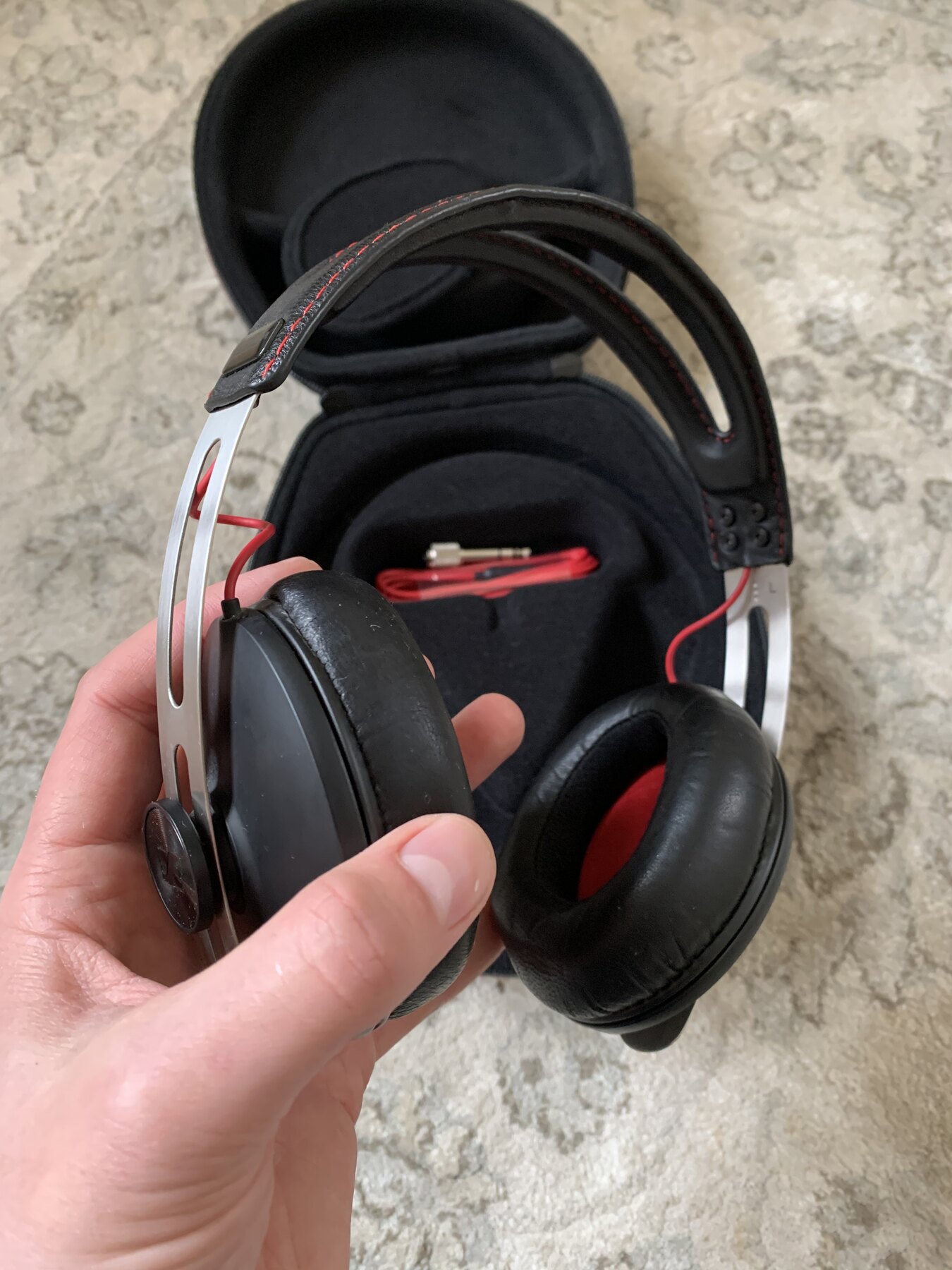
Headphones made small changes impossible to ignore.
The headphone archive is not a side hobby. It became a high-resolution laboratory for understanding body, stage geometry, pad effects, amplification and system matching.
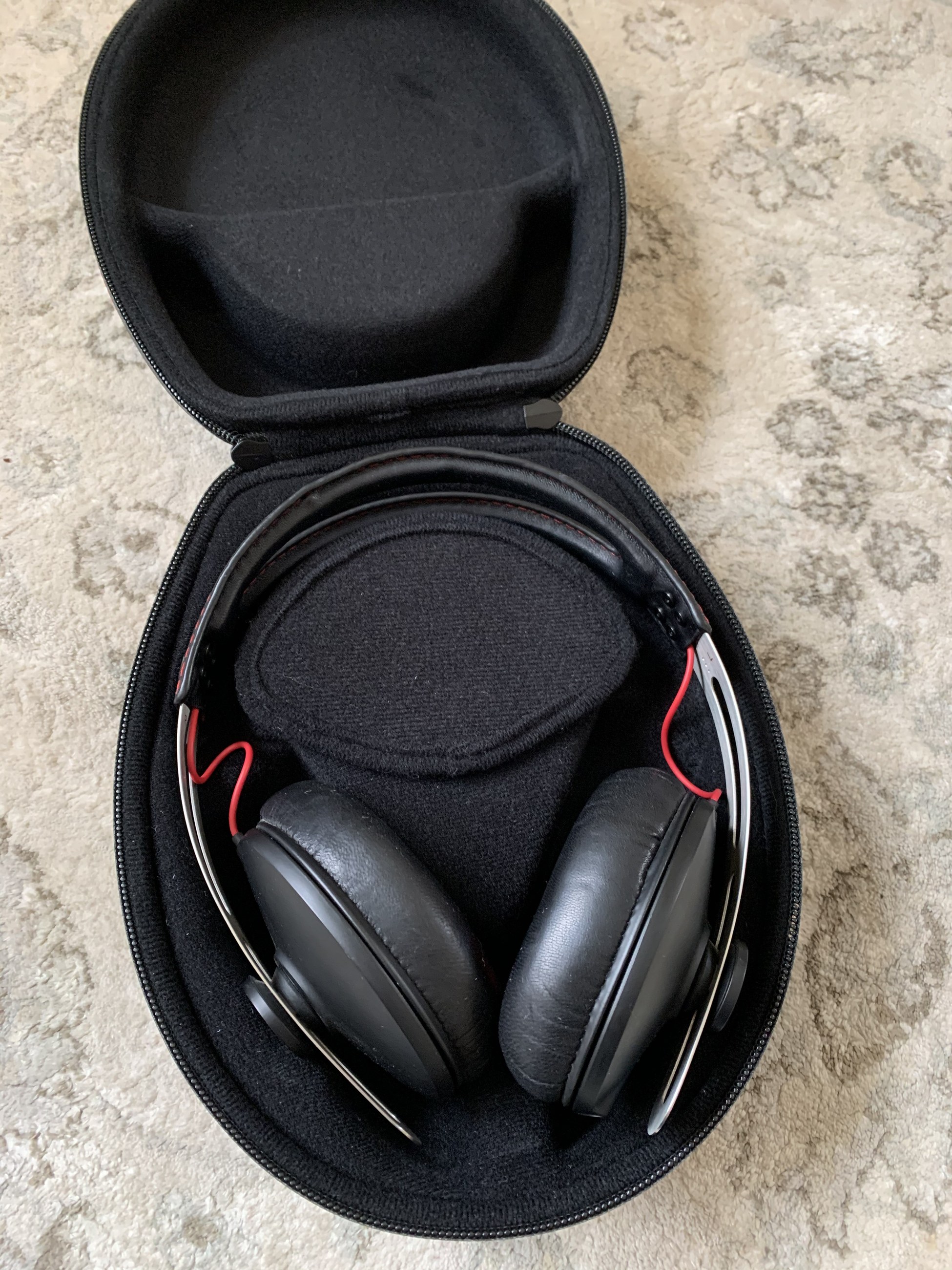
Grado and Sennheiser taught different forms of truth.
The Grado SR60i repeatedly delivered openness, energy, wide geometry and a sense of being inside the performance. Sennheiser Momentum 1 added smoothness, warmth, body and closed-back practicality. HD25-1 II sat elsewhere again: rhythmic, robust, dynamic and portable.
The point was not to choose one permanent winner. Their differences made upstream changes easier to understand. A DAC or op-amp that sounded exciting into one headphone could become too exposed into another.
More width was not automatically better.
Changing the SR60i pads increased the apparent stage but reduced bass impact and some vocal/instrument intimacy. That small experiment became a larger philosophical clue.
Luke values openness, but not if the centre loses substance. The ideal presentation is therefore not maximum soundstage; it is intimacy inside a believable acoustic.
| Component | Recurring description in the notes | Useful pairing idea |
|---|---|---|
| OPA445BM | Fuller, grounded, intimate, smooth yet transparent | Balances highly open headphones or digital chains |
| ADA4627-1BRZ | Detailed, front-row, holographic, alluring | Useful where body already exists upstream |
| LME49860 | Transparent, airy, dimensional, revealing | Can illuminate neutral or warm combinations |
| Little Dot / Russian valves | Grounded, insightful, musical coherence | Home reference for open headphones |
Each headphone exposed a different failure mode.
| Headphone | What it highlighted | Why it stayed useful |
|---|---|---|
| Sennheiser Momentum 1 | Warmth, body, smoothness and easy musical flow. | A reminder that intimacy and tonal density can be more satisfying than maximum openness. |
| Sennheiser HD25-1 II | Attack, dynamic drive, isolation and rhythm, with less openness than the Grado. | Useful for rock, portable work and checking whether a chain has become too soft. |
| Grado SR60i | Immediate mids, wide/airy openness, fast transients and strong emotional charge. | Extremely revealing of pad changes, source character and the trade between stage width and intimacy. |
| HD600 direction | Natural midrange, coherence and long-session balance. | The later research treats it as the likely anchor for a serious home headphone chain because it can scale with both Askew and Little Dot amplification. |
Amplification created a second axis.
Askew/BRZ emphasised front-row detail and private-performance intimacy; OPA445BM added more body and grounding; the Little Dot could move between Russian balance, Mullard richness and GE air. That two-dimensional map of headphone + amplifier is much more informative than ranking headphones alone.
The headphone is only half the pairing.
The 2025–26 master narratives increasingly organise the collection by pairings rather than by headphone rank.
Grado SR60i
Open, energetic and honest enough to expose differences between D-211, Askew, Little Dot and M15i. Pad/cup changes become part of the acoustic tuning, not a universal upgrade.
Momentum 1
Warm, smooth and closed-back, useful when a source or amplifier supplies clarity and drive without stripping away body.
HD25-I II
More direct and portable, with a useful dynamic punch. The later notes place it between the open Grado and the fuller Momentum role.
HD600 / mass-loaded direction
The serious home path: open-back neutrality, future/actual mass-loading work, and a strong fit with Little Dot tube rolling and the D30/OPA445BM source.