Analogue is not the opposite of digital.
Vinyl and tape became references for tone, groove, microdynamics and physical engagement. The deeper conclusion was more useful: the recording and mastering come first, then the source or converter, analogue output stage, amplification and finally the loudspeaker/room relationship.
The format moves down the hierarchy when the rest of the chain is understood.
A great LP can beat a poor digital release. A dynamically intact CD can beat a compromised LP. A carefully transferred analogue master can remain compelling through digital replay. The carrier matters, but it rarely acts alone.
Recording & mastering
Performance, microphones, room, mix, dynamics, EQ and limiting decide what information exists and how much musical contrast survives.
Source / conversion
Turntable, cartridge and phono stage on one side; transport, DAC architecture and conversion implementation on the other.
Analogue output stage
Valve stages, op-amps, I/V conversion, coupling, gain, loading, grounding and power determine how stored information enters the rest of the system.
Control & amplification
Preamp and power-stage behaviour decide whether body, microdynamics and spatial information remain intact under real load.
Loudspeaker & room
The final acoustic translation can reveal or obscure everything upstream. P17 became the fixed reference against which future source ideas can eventually be judged.
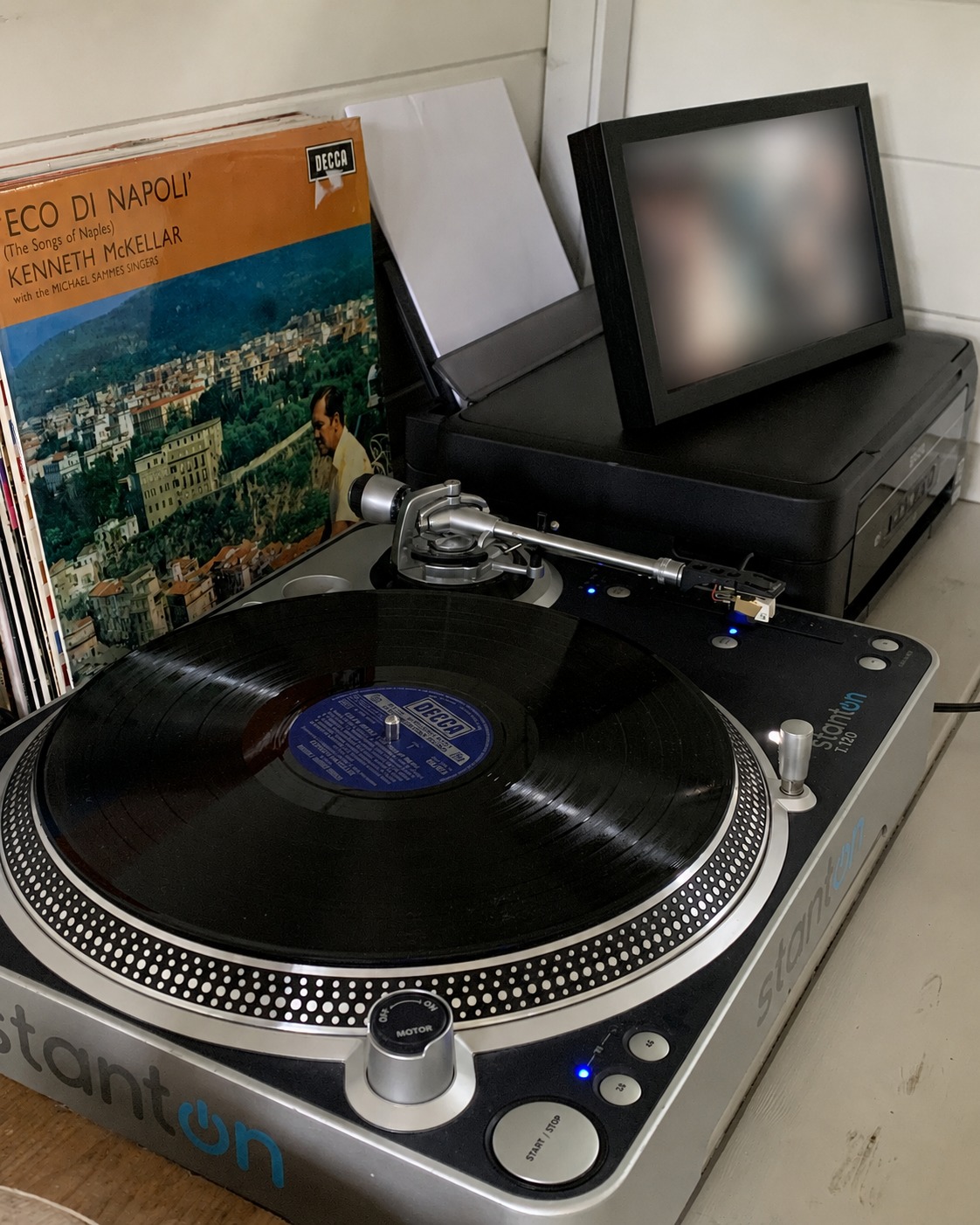
Vinyl changed the question before it answered it.
The borrowed Stanton T.120 brought scale, nuance, warmth and an unusually direct emotional connection. But the existing valve-output CD753 was already good enough to prevent a simplistic conclusion that the groove itself must be responsible for everything.
The listening notes increasingly separated the analogue master and release from the mechanical carrier. That distinction later became the basis for the LP5/AT33EV research, high-quality capture and PCM63-KY replay thought experiment.
What if the best analogue material is replayed through an exceptional digital chain?
The July 2025 PCM63-KY research asks whether a carefully captured vinyl master could retain the tonal and mastering advantages of the record while avoiding repeated real-time mechanical variables on every future play.
A DAC cannot recreate information that was never recorded. The interesting possibility is exposing low-level information already encoded but previously masked by noise, conversion, output-stage behaviour or system limitations.
An exceptional analogue front end may still hold an advantage in immediacy, tactile continuity or ambient retrieval. The archive treats this as system-dependent, not a universal verdict.
The KY research is valuable because it combines a highly resolving multibit idea with the recurring need for the right tube or analogue stage to prevent technical precision becoming emotionally remote.
A beautifully implemented playback chain cannot restore dynamics or musical decisions removed at recording or mastering.
One pillar, several ways of preserving and replaying music.
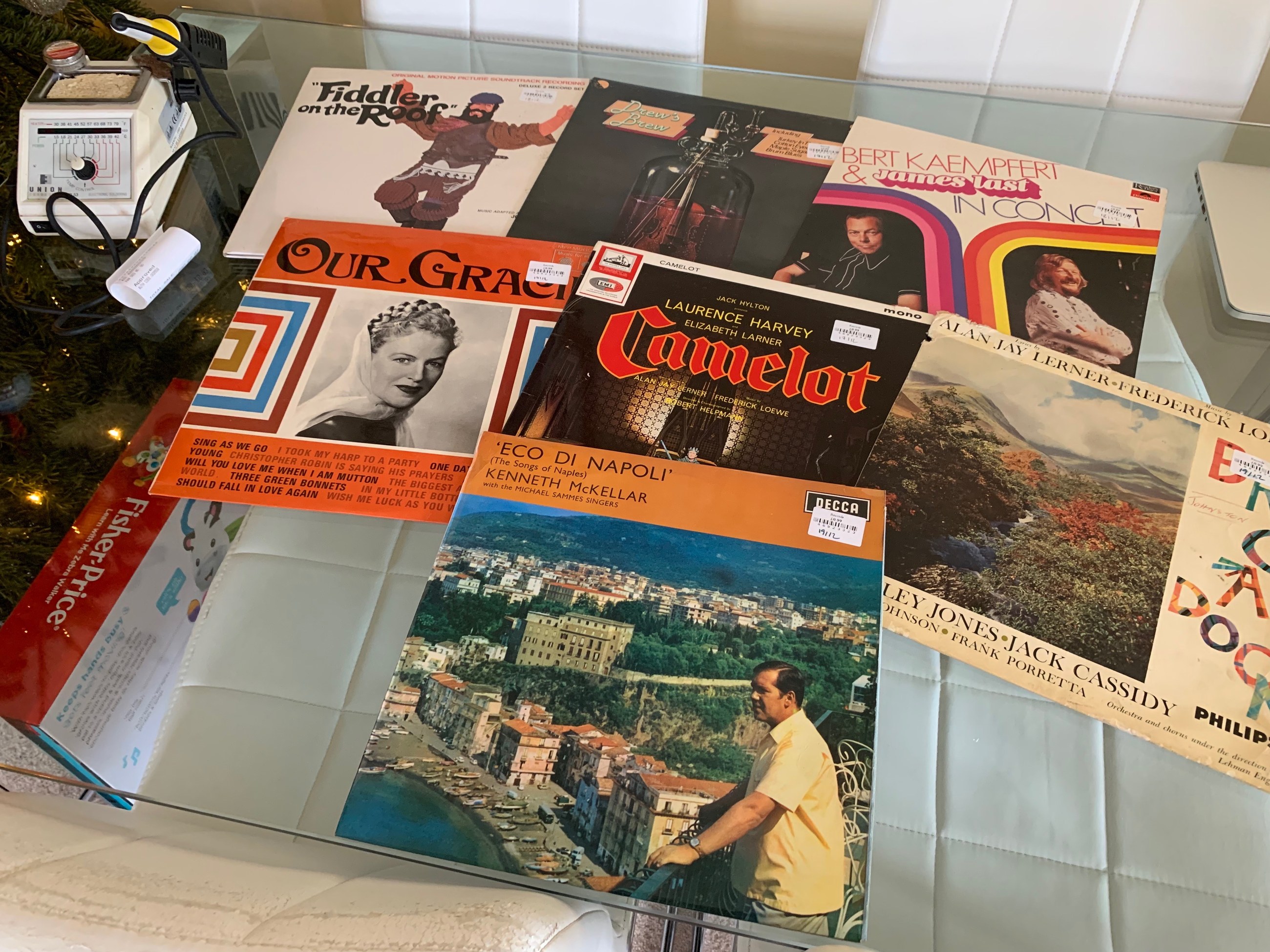
Vinyl & phono
From the heard Stanton experiment to the researched LP5/AT33EV, MC and phono-stage architecture.
Follow the analogue front end →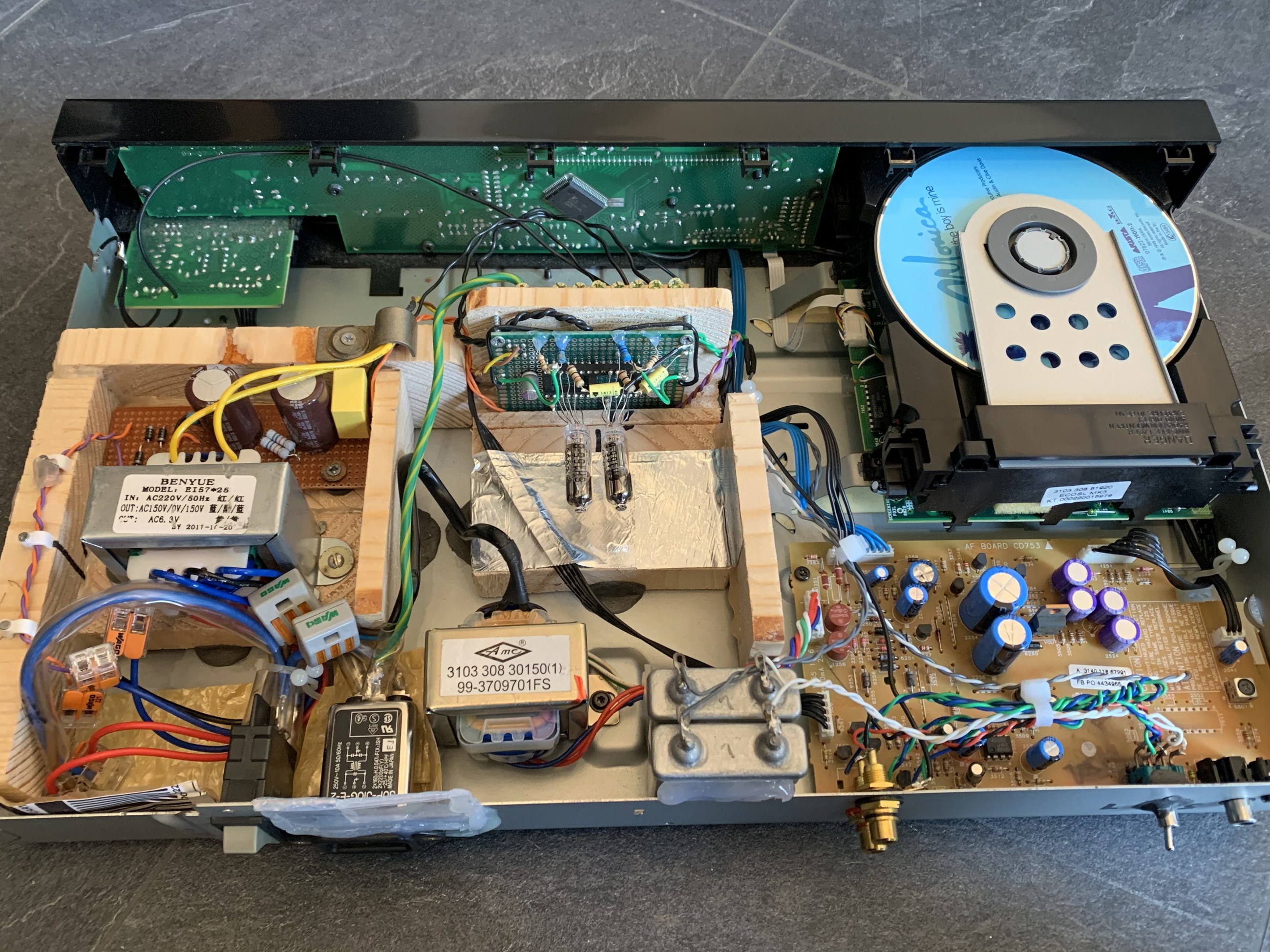
Capture & preservation
High-rate PCM, DSD, Tascam/RME thinking, vinyl transfer and analogue-to-analogue preservation.
Follow the capture chain →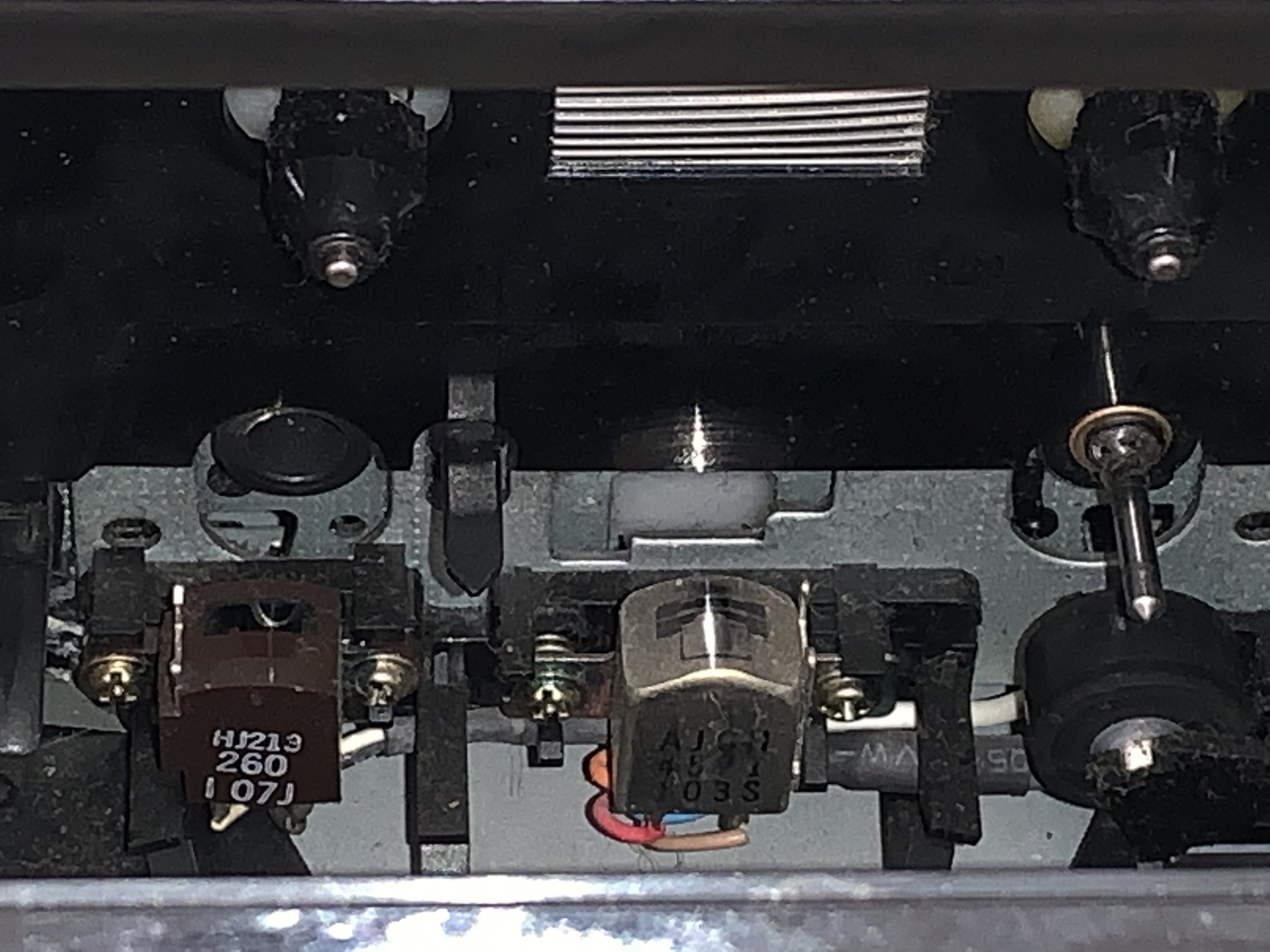
Tape & reel-to-reel
Cassette roles, portable players, future home decks and analogue recording as an intentional medium.
Enter the tape branch →The analogue pillar grows directly out of named master documents.
The LP5/AT33EV, PCM63-KY capture and several tape hierarchies are researched architectures, not completed personal auditions. Direct listening claims remain tied to the equipment actually heard.