Beyond analogue vs digital.
The mature position in the archive is not that one format wins. It is that recording, mastering and implementation can overwhelm the format label, and that the best analogue and digital chains may converge on the same goal from different directions.
Playback cannot restore a performance that the recording or mastering removed.
Microphones, room, production and mastering establish the ceiling before the signal reaches a turntable or DAC. Compression, limiting, EQ and a different master can produce a greater audible change than moving between nominally superior formats.
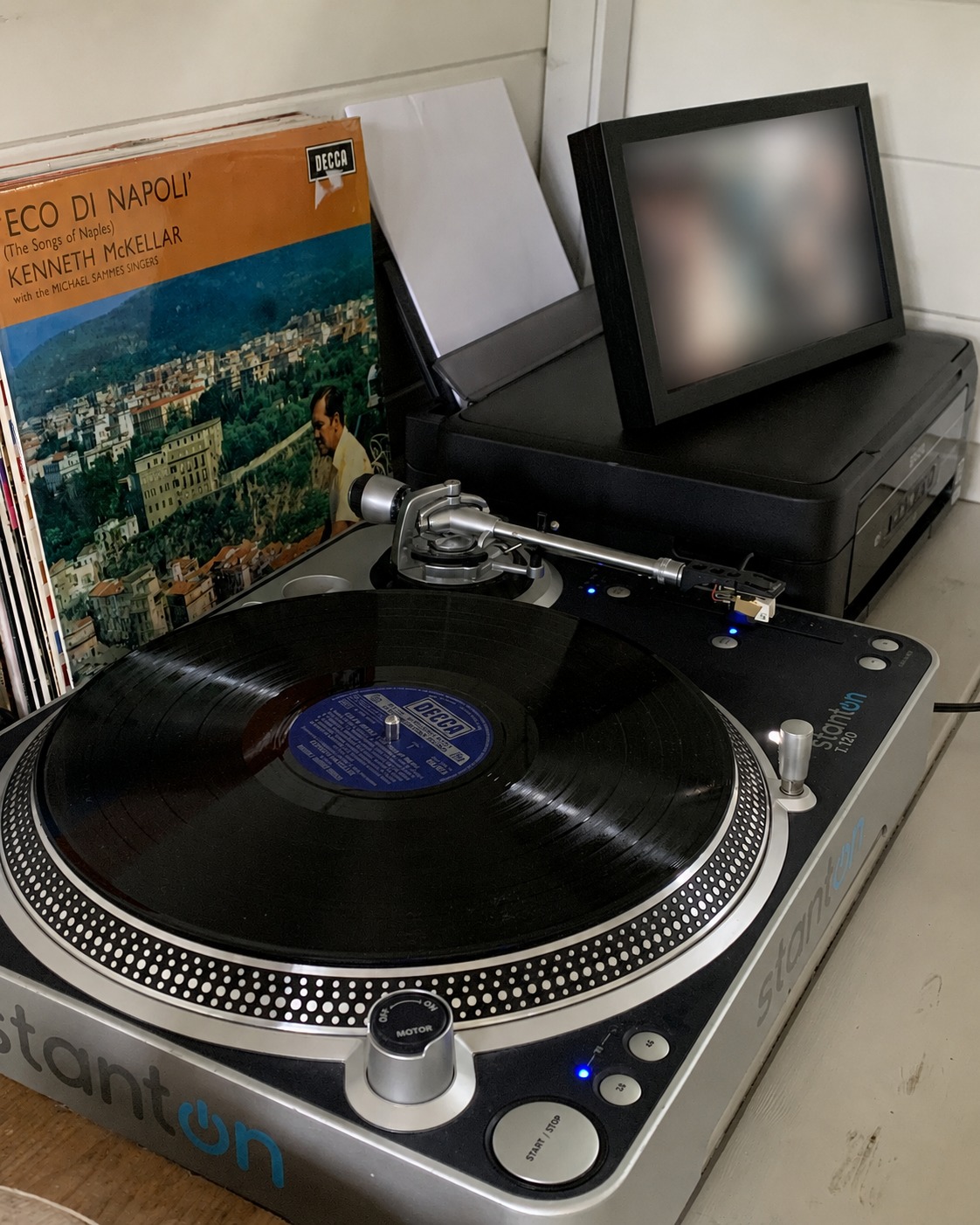
Mechanical replay can feel continuous, tactile and immediate.
The 2023 vinyl notes emphasise scale, groove, warmth, nuance and emotional involvement. A highly optimised analogue front end can also retain a particular immediacy and ambient continuity that remains a meaningful reference.
But analogue excellence carries its own variables: pressing quality, wear, cartridge alignment, arm resonance, bearing and motor behaviour, loading, phono noise, setup and maintenance. Those do not make analogue inferior. They make it a complete mechanical-electrical system rather than a format badge.
Digital replay can remove recurring mechanical variables without becoming emotionally sterile.
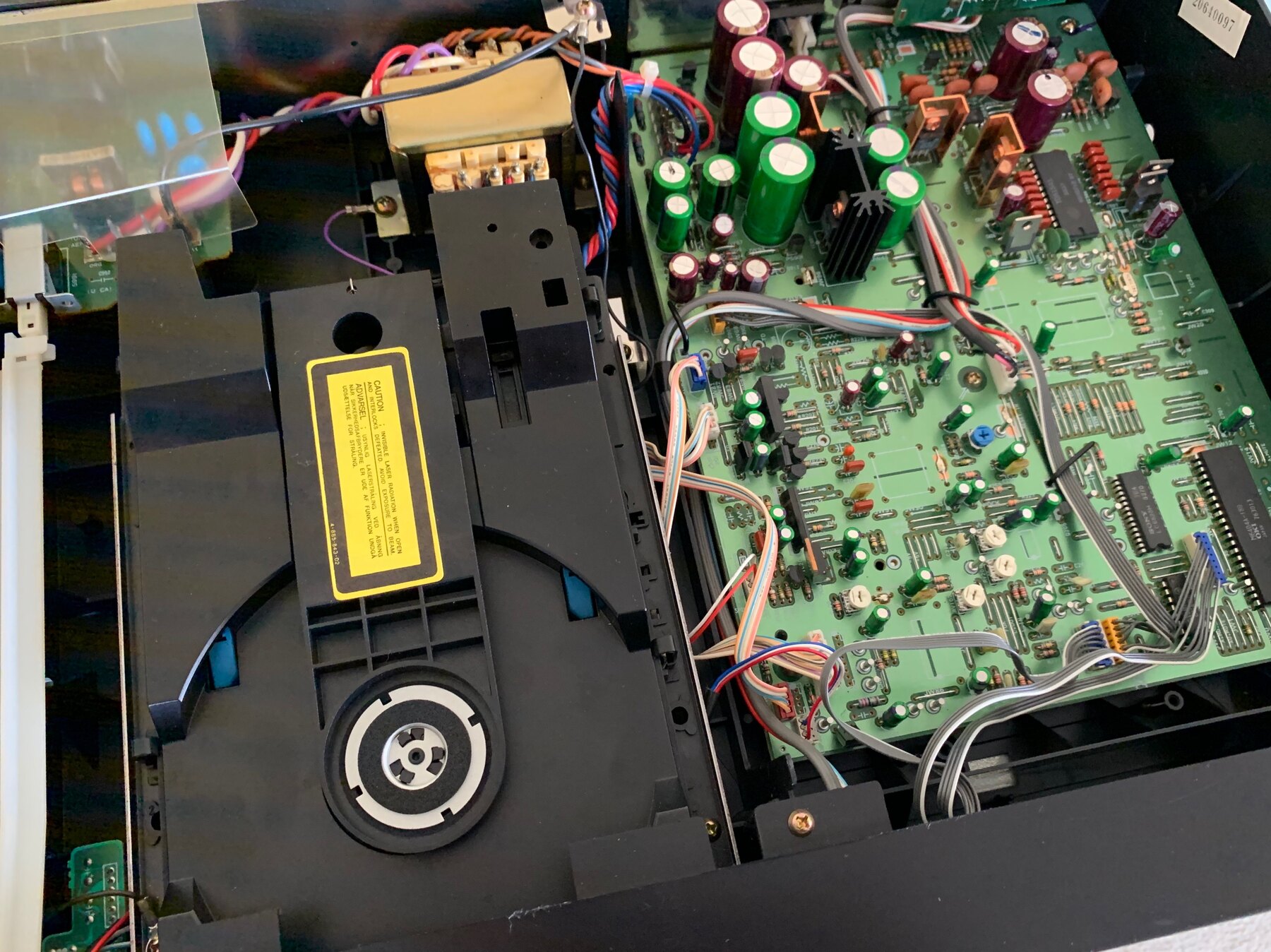
The archive's digital work repeatedly shows that “digital sound” is not one thing. TDA1549 with a valve output stage, D30 with power and op-amp changes, TDA1541 research and PCM63 tube-stage work all move the decisive question downstream from the file format.
Multibit, delta-sigma, filtering, I/V and receiver implementation establish different technical starting points.
Valves, op-amps, coupling, gain and power can change body, dimensionality, noise and how microinformation is presented.
A revealing DAC cannot preserve scale or microdynamics if the next stage compresses, masks or over-voices them.
No converter can restore musical dynamics that were removed before playback.
Not “creating” information. Potentially unmasking what is already there.
The July 2025 research imagines a carefully captured analogue master replayed through a highly resolving PCM63-KY chain with an appropriate tube or analogue stage.
The important distinction is informational. A DAC cannot recover a microphone signal that was never recorded. It can, however, make already-encoded low-level relationships easier to perceive if earlier playback was masking them through noise, non-linearity, mechanical variation, output-stage behaviour or limited system resolution.
The “Soul of Analogue-Digital Audio” master frames KY around a paradox: exceptionally revealing alone, potentially lifelike once the surrounding analogue stage supplies the body and continuity the wider system requires.
The PCM63-KY vinyl-transfer path remains a researched hypothesis, not a personally completed reference chain.
Yes, but not because the system has invented it.
A recording can expose relationships differently from the experience of sitting in a venue or standing in a studio.
At the performance
Your seat, attention, room reflections and the physical scale of the event determine what you consciously notice in real time.
In the recording
Microphone positions, balances and repeated listening can isolate room tone, instrumental decay, backing detail or spatial relationships that were present in the captured event but were not consciously foregrounded for the original listener.
That is the more defensible version of the “KY reveals what analogue did not” idea. The aim is not supernatural recovery. It is unusually complete access to recorded information, with enough tonal and temporal coherence that the extra information still belongs to the musical event.
The best analogue and digital front ends can approach the same truth from opposite directions.
| Question | Analogue answer | Digital answer |
|---|---|---|
| Mastering | A particular pressing may preserve the preferred version. | An intact digital master or careful transfer can preserve the same musical decisions. |
| Immediacy | Potential strength of a highly optimised mechanical front end. | Depends strongly on DAC, output stage and amplification rather than bit depth alone. |
| Noise / repeatability | Mechanically variable and setup-dependent. | Potentially lower recurring noise and highly repeatable once captured. |
| Low-level information | Can be exceptional with an elite front end. | A highly linear/resolving chain may expose encoded layers with unusual stability. |
| Final limit | The recording, mastering and complete playback chain remain more important than format tribalism. | |