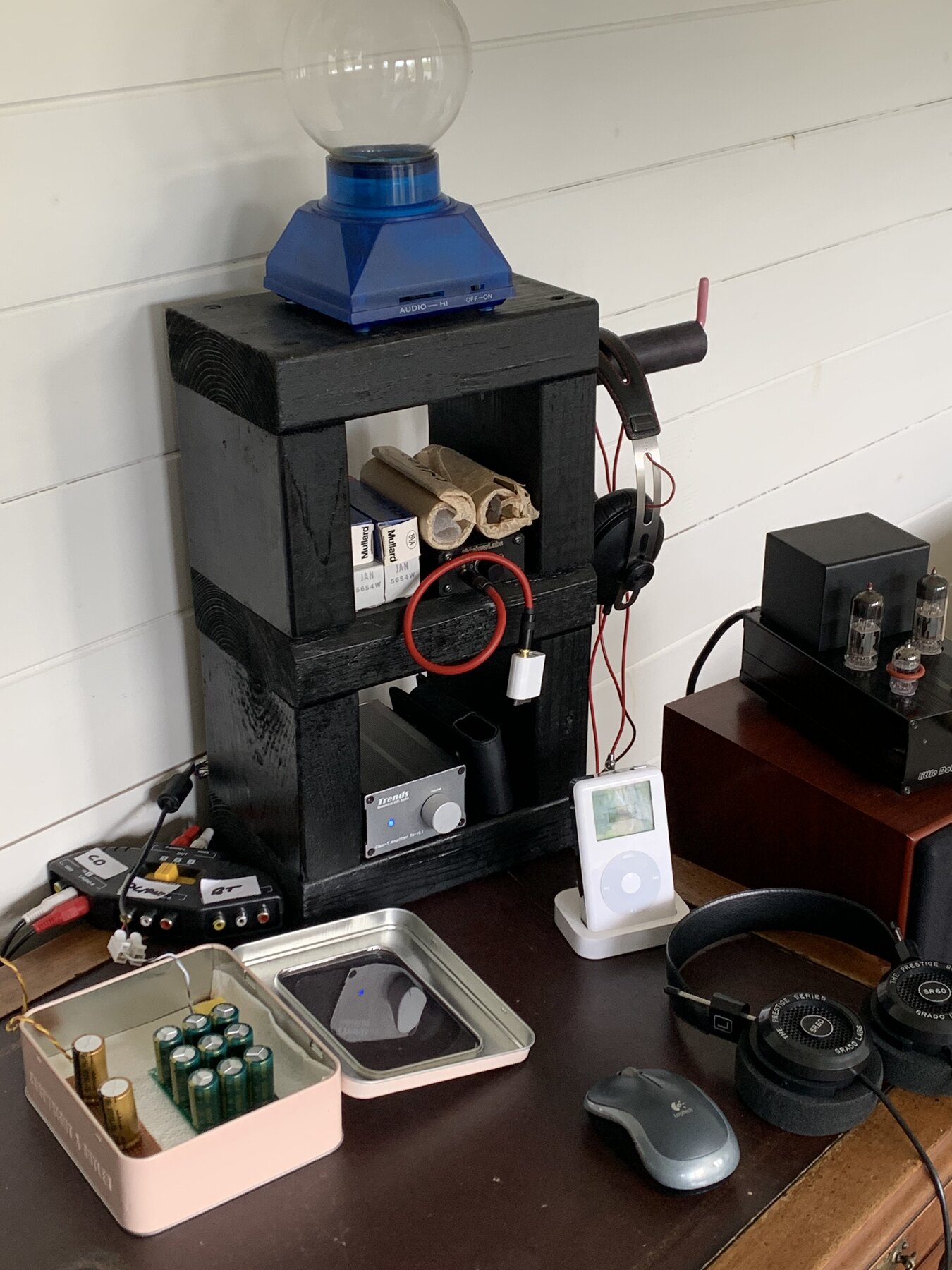
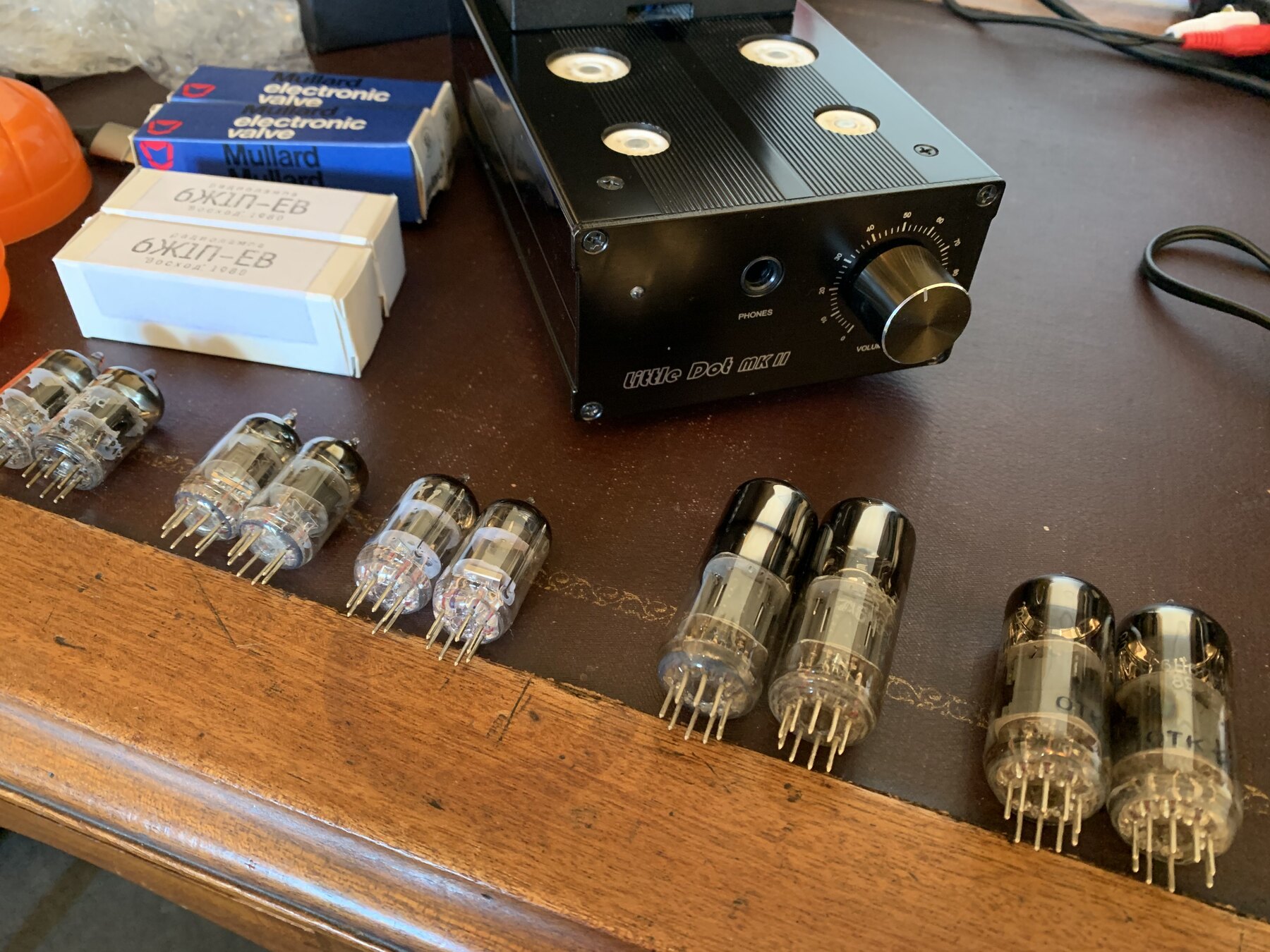
Mid-sized lounge / office system
This is where many of the wider ideas became repeatable rather than theoretical: a TDA1549 CD player with hand-built valve output, Little Dot valve preamplification, solid-state power, speaker placement experiments and digital front-end tuning.
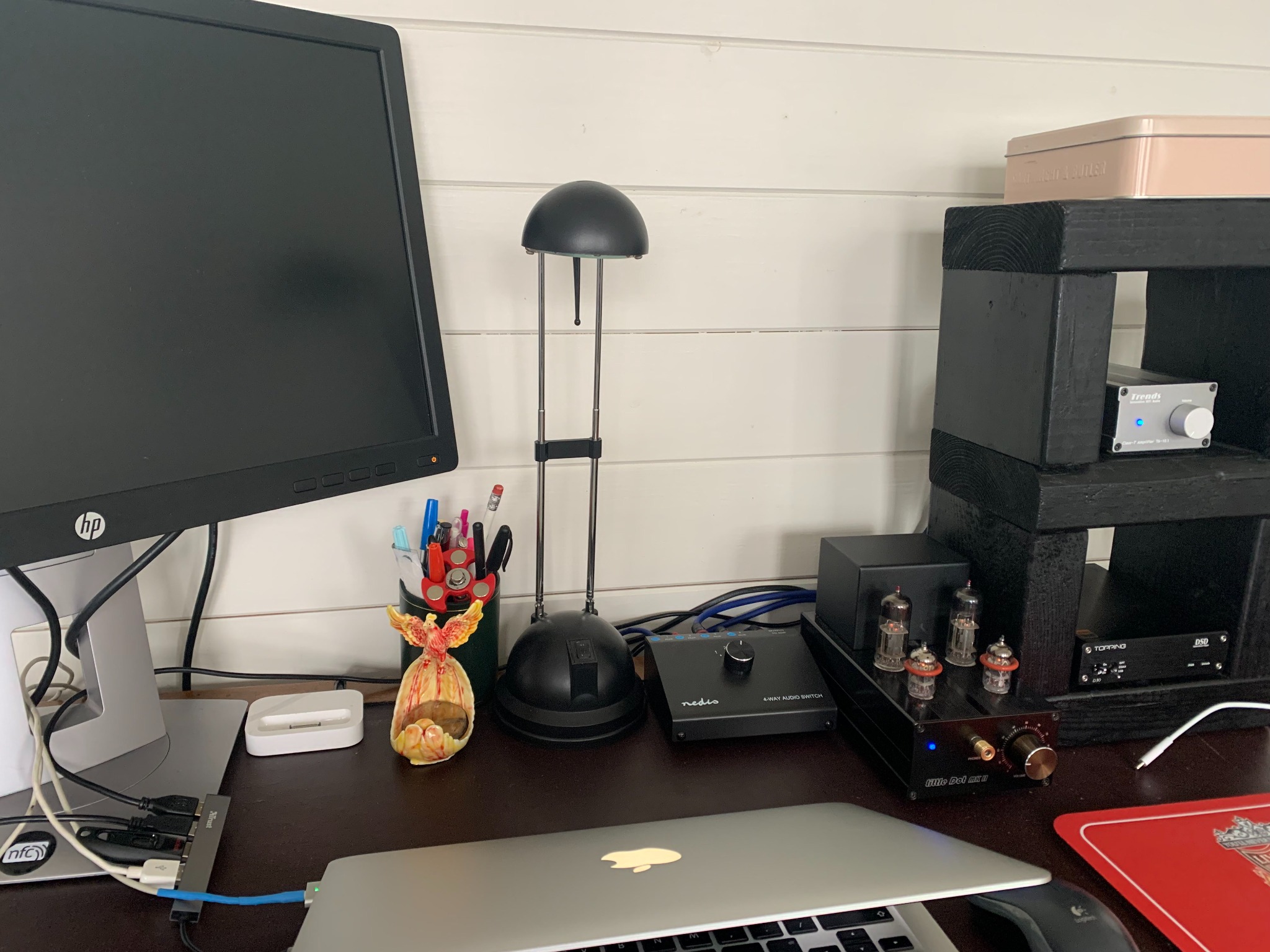
A system that became a test instrument.
The Philips CD753 is the centre of gravity. Its TDA1549 DAC is paired with a MELZ 6N16B-V SRPP MikroLampizator stage completed in October 2022. Luke’s first notes call the result organic, dynamic, real, truthful and non-fatiguing.
Running that tubed CD output through the Little Dot MKII later adds a physical preamp volume stage and, in Luke’s notes, more body and detail. The point is not “more valves = better”. It is that each stage was listened to in context.
Digital branch
Topping D30 with CS4398, iFi low-noise supply and op-amp experiments including the rare OPA445BM Gold Seal and ADA4627-1BRZ.
Power branch
Trends Audio TA-10.1, modified and ultimately used with the volume control bypassed in power-amplifier mode when an upstream preamp is present.
Speaker branch
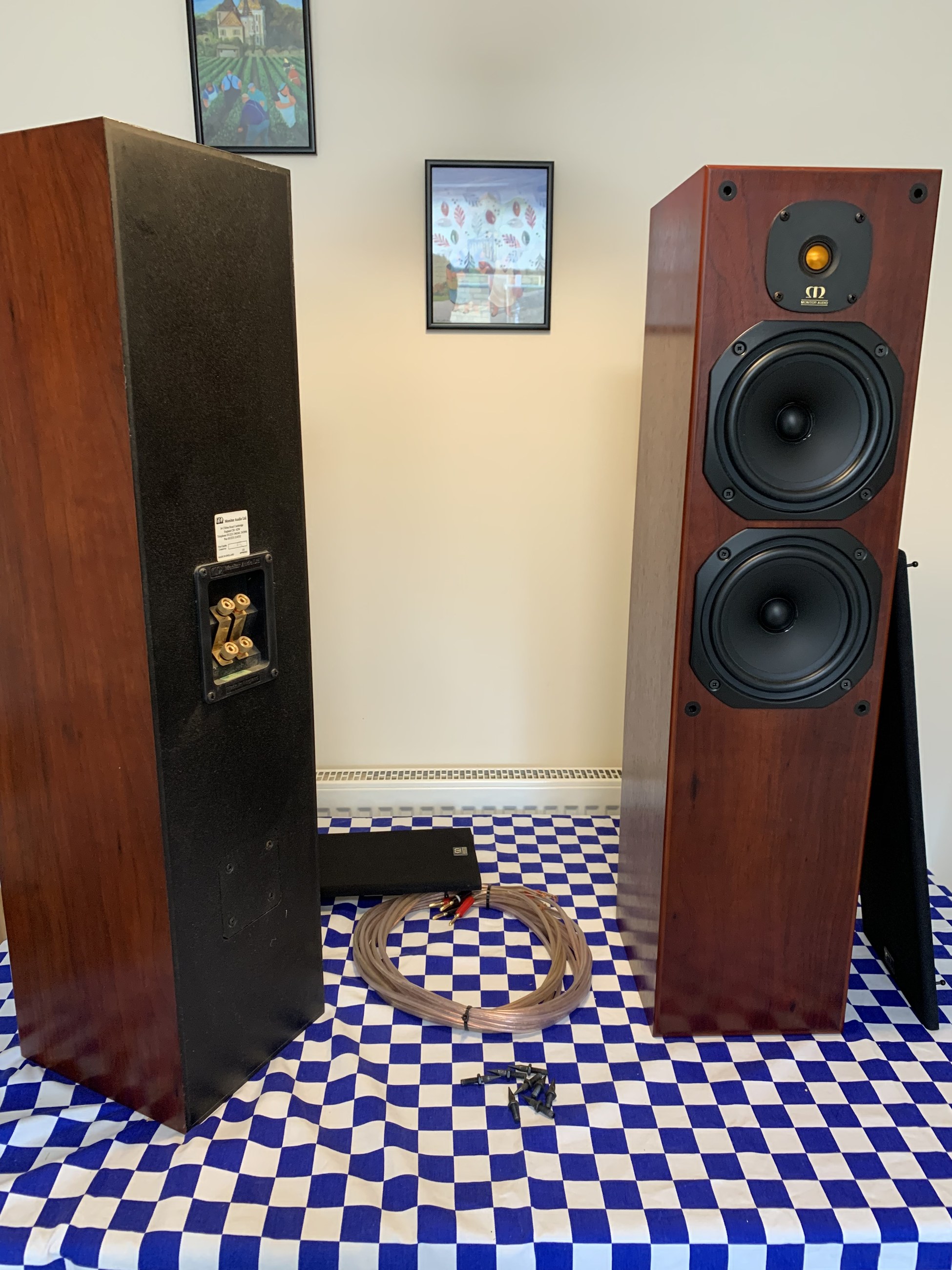
Monitor Audio 4 floorstanders, with a simple rear-port-plug removal noted as opening the soundstage dramatically.
Headphone branch
Little Dot MKII becomes both headphone amplifier and preamp, making tube comparisons useful across speakers and headphones.
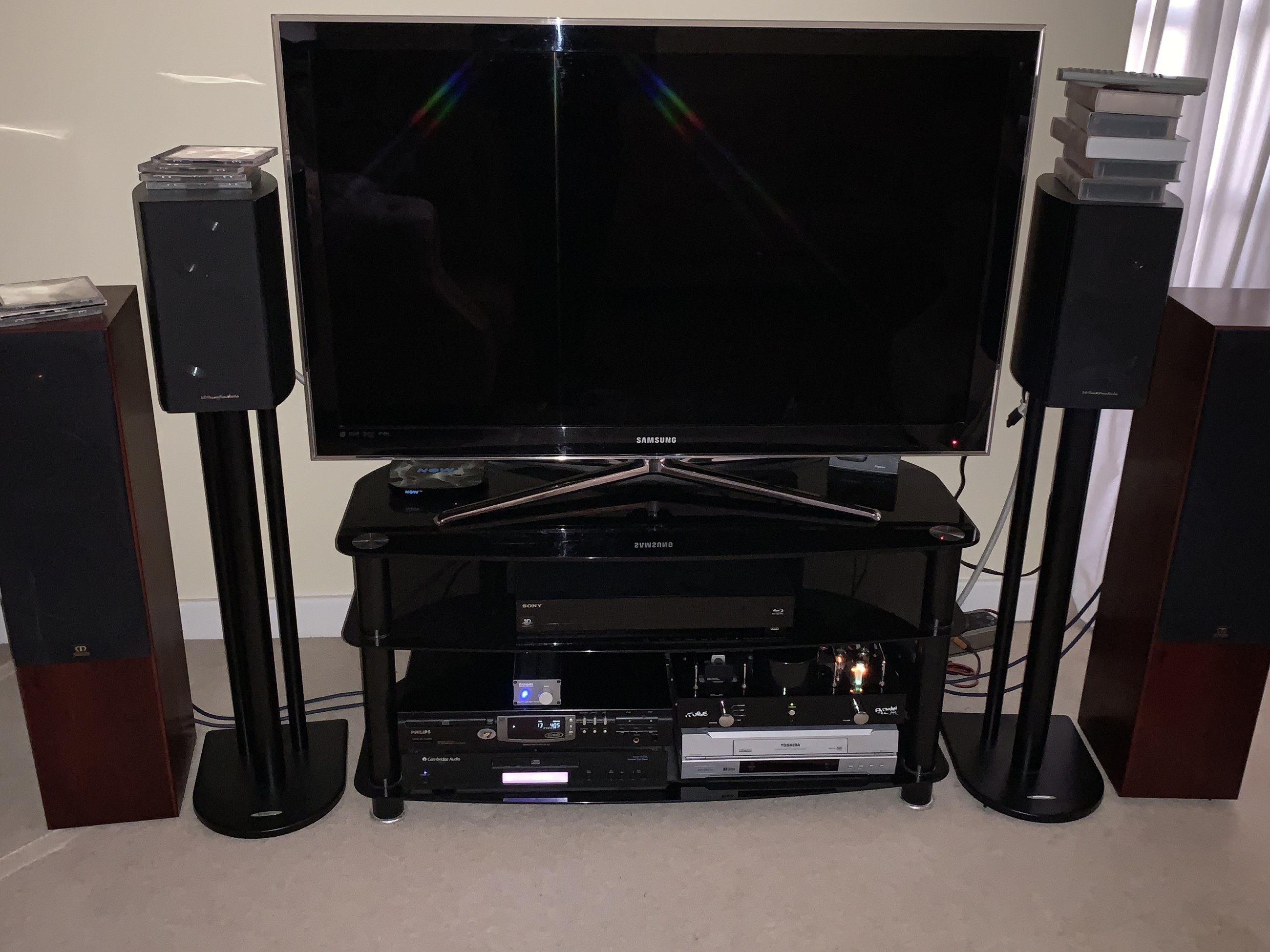
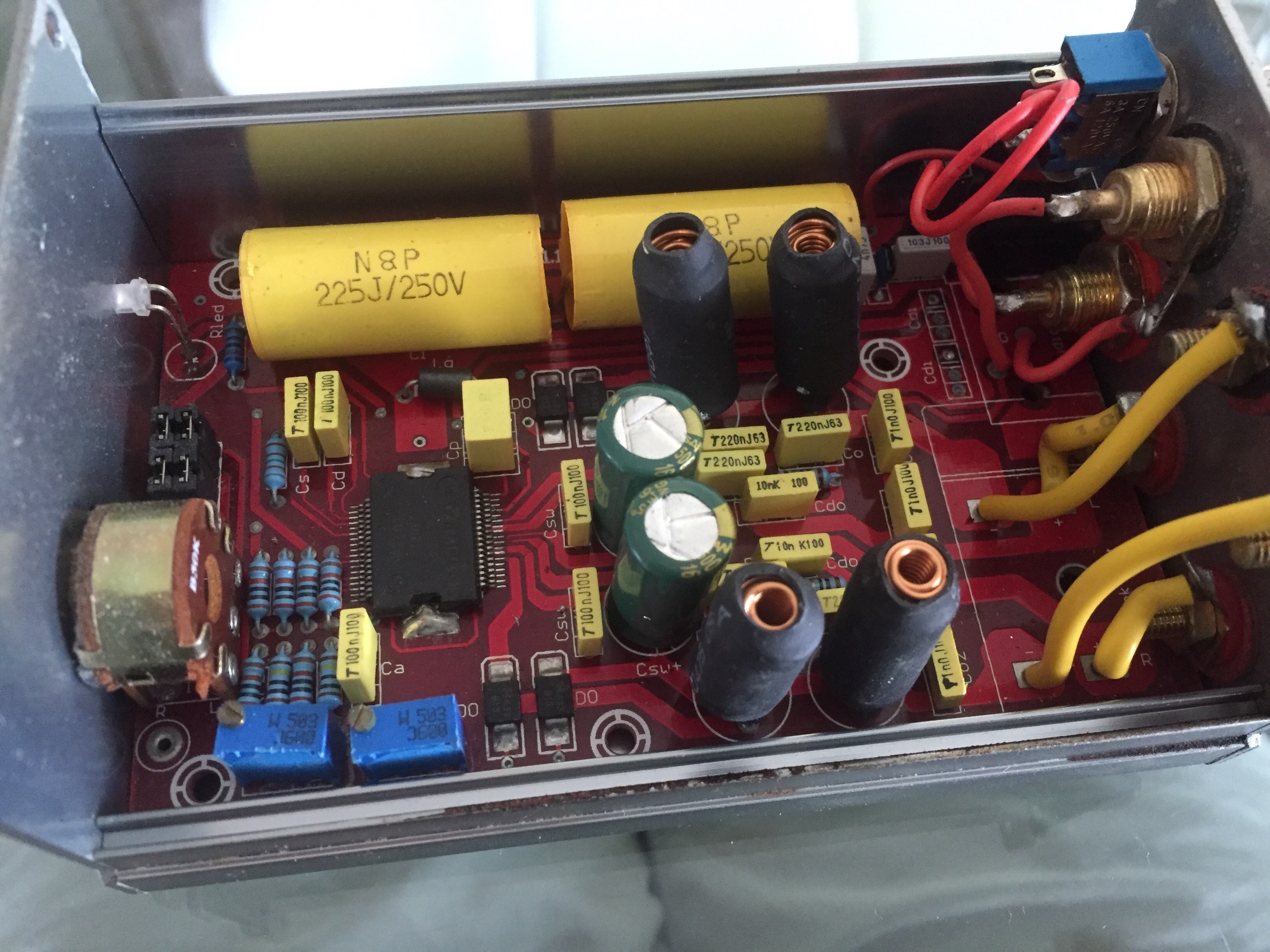
The mid-sized system is where synergy became audible as a system property.
Removing unnecessary signal-path elements from the Trends amplifier, bypassing its volume control when used as a power amp, opening the Monitor Audio rear ports, inserting the Little Dot as preamp and transforming the CD753 output all changed different parts of the same chain.
The important lesson was not that every modification was universally better. It was that the sound could be shaped intelligently by understanding which stage was doing what.
How the practical system became the laboratory.
TDA1549 as the starting point
The Philips CD753 supplied a deliberately modest digital foundation. Four Sanyo OS-CON 680 µF / 6.3 V parts around the 7805 regulator were an early lesson that implementation around the chip matters.
MikroLampizator completed
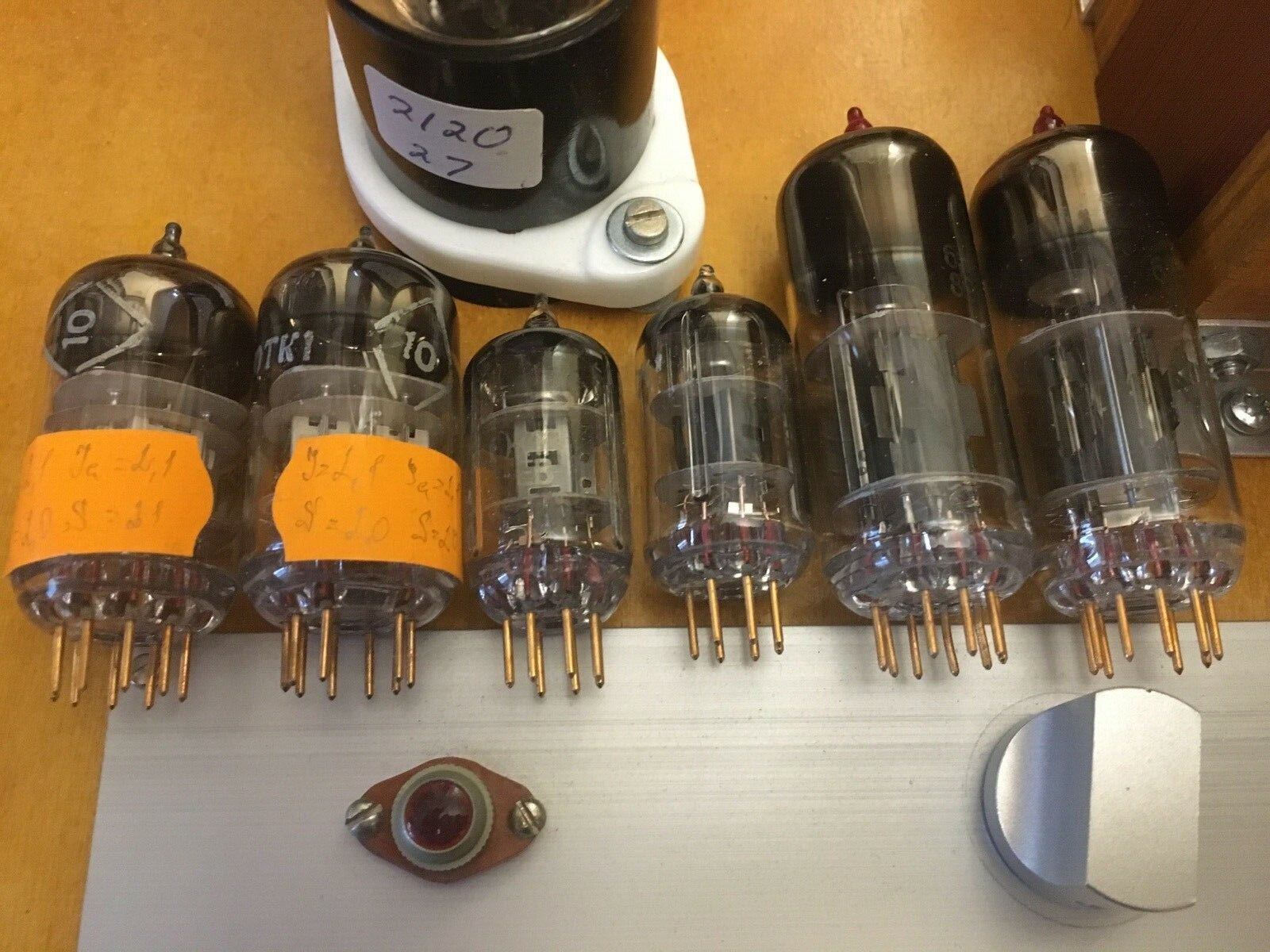
A 1988 MELZ 6N16B-V SRPP output stage, with an internal selector between the valve and original path, changed the player from a component to an experiment in analogue-stage design.
Little Dot becomes more than a headphone amp
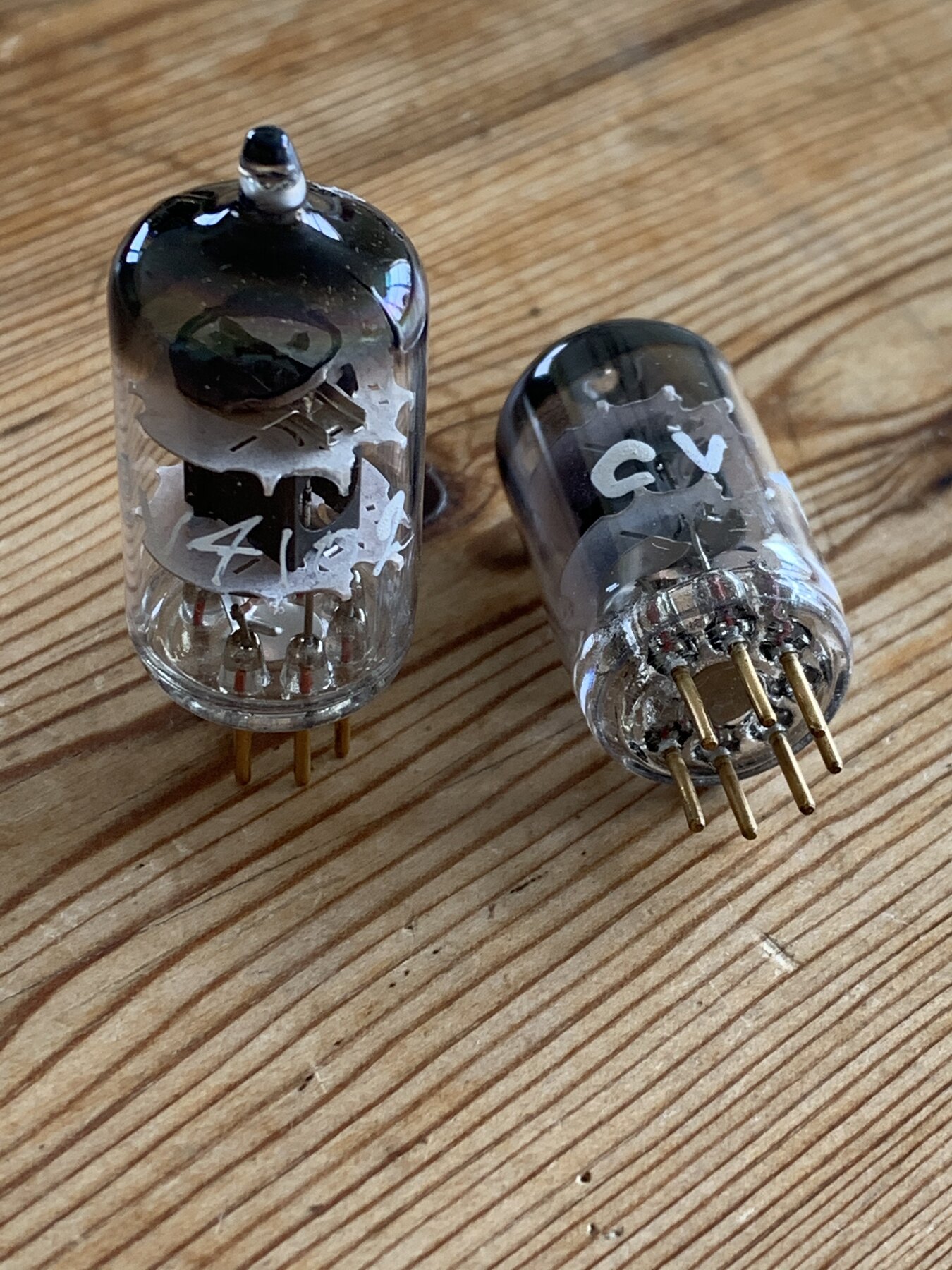
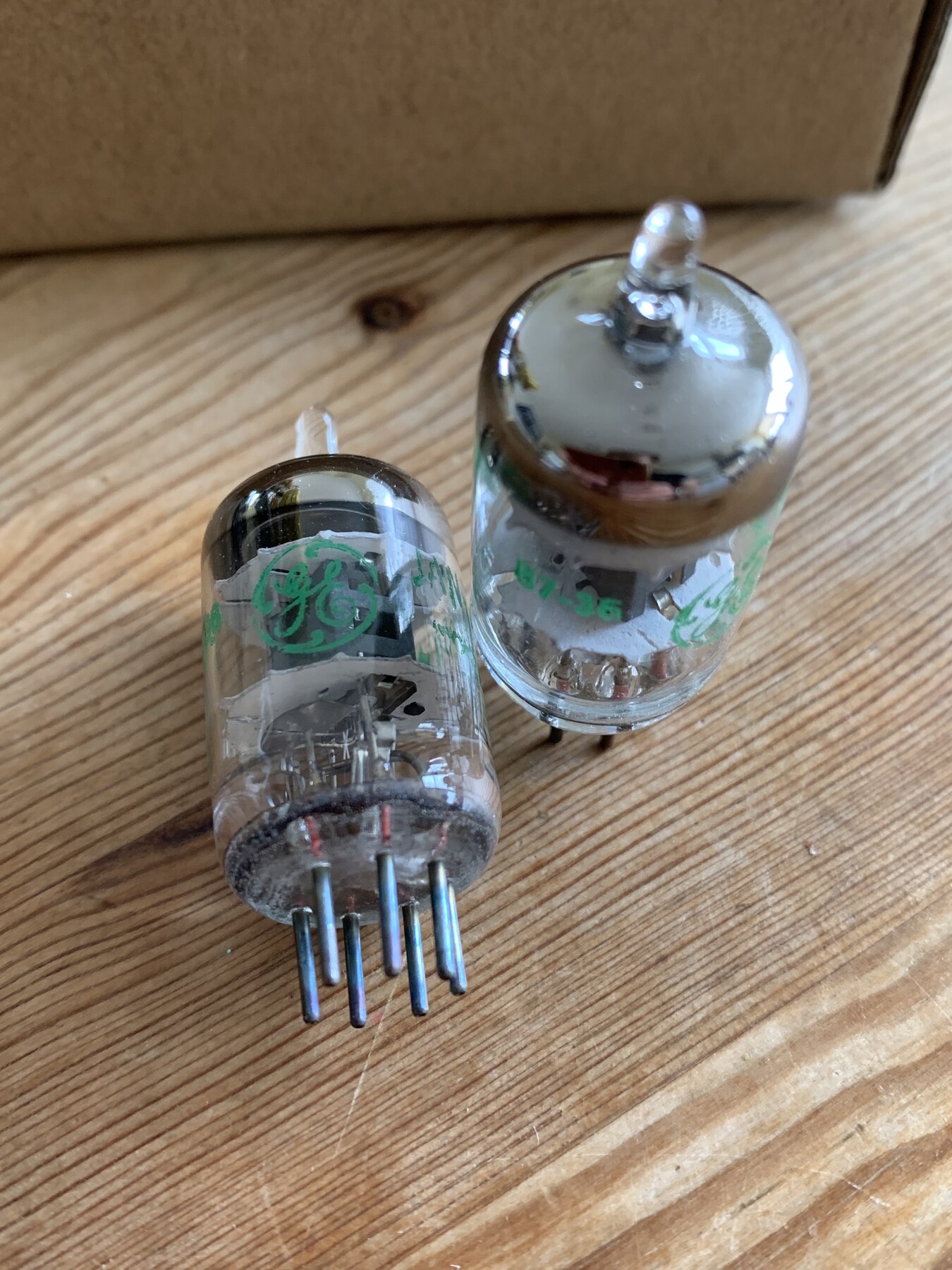
Russian, Mullard and GE driver valves mapped different balances of neutrality, intimacy and air. By May 2023 the tubed CD output was also being run through the Little Dot as a preamp, with more body and detail noted.
Trends becomes a power stage
After pot work and PCB repair, the TA-10.1 was deliberately returned to power-amplifier use with its second volume control bypassed. The cleaner architecture mattered more than retaining redundant control.
Speaker and room experiments stay simple
Removing the rear port plugs from the Monitor Audio 4s was noted as opening the entire soundstage. The Hacker LS1000D later offered another view: lively, mellow, big and bold rather than conventionally analytical.
D30 becomes the solid-state counterpoint
The CS4398 D30 moved from stock OPA2134 and supply to an iFi 15 V supply, then OPA445BM Gold Seal and ADA4627-1BRZ experiments. The later system notes treat the OPA445 D30 as a genuine reference, not merely a stop-gap before valves.
The 2026 system-integration document explicitly reconnects this mid-sized chain to the portable and reference work: OPA445 grounding, Little Dot tube families, D-211 output-stage character and the planned PCM1798/6N16B build are all treated as different expressions of the same listening language.
The value was not the parts. It was learning what each stage was responsible for.
Monitor Audio 4
Removing the rear port plugs opened the stage enough to become a memorable lesson in placement and enclosure tuning before any electronics were changed.
Philips CD753 → MikroLampizator
The TDA1549 source moved from a conventional player to the hand-built 6N16B-V output stage, changing the scale of what this system could reveal.
Little Dot MKII
What began as a headphone amp became the preamp. Cleaning its pot in 2025 reopened the sound, reinforcing that maintenance can matter as much as replacement.
Trends TA-10.1
The original volume control was eventually bypassed, leaving the Trends to do the job the system actually needed: power amplification.
D30 + iFi + OPA445BM
The CS4398 D30 added a transparent computer source, then gained greater grounding and dimensionality through the iFi supply and later OPA445BM stage.
One system, multiple roles
The later master document connects the D30, Little Dot, headphones, M15i and P17 thinking into one philosophy instead of ranking them as replacements.
The tube families became a second axis of system tuning.
Because the Little Dot served as both headphone amplifier and preamp, Mullard, GE and Russian driver families could be heard through more than one transducer and more than one source.